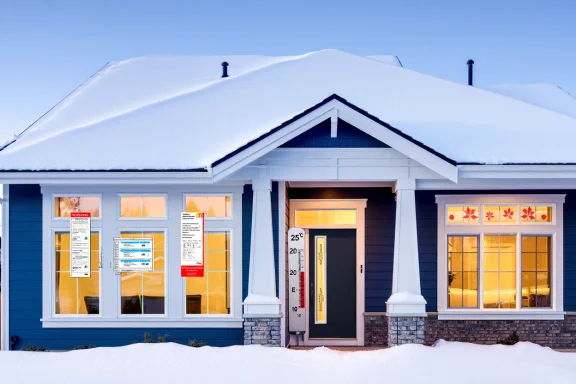
When your heating bill makes you wince harder than watching the Leafs blow a 3-1 lead, it might be time to consider window and door replacement. With Canadian winters that can freeze the enthusiasm right out of a Tim Hortons lineup, having properly installed, energy-efficient windows and doors isn’t just about comfort—it’s about keeping your hard-earned loonies from flying out the window.
Why Window and Door Replacement Matters in Canada
From the bone-chilling winds of Winnipeg to the maritime moisture of Halifax, Canadian homes face some of the toughest weather conditions on the planet. According to Natural Resources Canada, heating accounts for up to 64% of energy use in Canadian homes. That means drafty windows and doors aren’t just annoying—they’re literally costing you money every month.
The Canadian Climate Challenge:
- Temperature swings from -40°C to +35°C in many regions
- High humidity levels in coastal areas
- Intense UV exposure during summer months
- Heavy snow loads affecting structural integrity
- Ice damming and freeze-thaw cycles
Signs It’s Time for Replacement
Your windows and doors work harder in Canada than a Zamboni driver during double overtime. Here’s when to call in the pros:
Window Warning Signs:
- Condensation between glass panes (seal failure)
- Drafts you can feel even when windows are closed
- Ice buildup on interior glass surfaces
- Difficulty opening or closing
- Visible rot, warping, or damage to frames
- Rising energy bills despite consistent usage
Door Red Flags:
- Light visible around door frames when closed
- Difficulty turning locks or handles
- Gaps at the bottom or sides
- Warped or damaged weatherstripping
- Water damage or rot around the frame
Energy-Efficient Options for Canadian Homes
The Canada Energy Efficiency Regulations set minimum standards, but going beyond these requirements pays dividends. Here’s what to look for:
Window Technologies That Actually Work
Triple-Pane Glass: Standard in Scandinavia and increasingly popular across Canada, triple-pane windows offer superior insulation. The extra glass layer creates two insulating air spaces, dramatically reducing heat transfer.
Low-E Coatings: These microscopic metallic coatings reflect heat back into your home during winter and keep it out during summer. Look for windows with Low-E coatings on multiple surfaces for maximum efficiency.
Gas Fills: Argon and krypton gas between panes provide better insulation than regular air. Argon is more common and cost-effective, while krypton offers superior performance in thinner spaces.
Warm-Edge Spacers: Traditional aluminum spacers create thermal bridges. Modern warm-edge spacers using foam or composite materials reduce heat loss around the glass perimeter.
Door Solutions for Harsh Climates
Fiberglass Entry Doors: These champions handle temperature extremes without warping, cracking, or swelling. Many come with foam cores for exceptional insulation values.
Steel Doors with Thermal Breaks: Modern steel doors include thermal breaks to prevent heat conduction through the metal frame. Look for polyurethane foam cores for maximum R-value.
Quality Weatherstripping: Multi-point weatherstripping systems create multiple barriers against air infiltration. Magnetic weatherstripping on steel doors provides excellent sealing.
Understanding Energy Ratings and Certifications
ENERGY STAR Certification
Look for the ENERGY STAR symbol—products meeting these standards perform 15-20% better than standard options. In Canada, ENERGY STAR windows must meet specific performance criteria for different climate zones.
Canadian Standards Association (CSA)
CSA certification ensures products meet Canadian building codes and safety standards. This is particularly important for structural integrity during severe weather.
National Fenestration Rating Council (NFRC) Labels
These standardized labels show:
- U-Factor: Heat transfer rate (lower is better)
- Solar Heat Gain Coefficient (SHGC): Solar heat transmission
- Visible Transmittance: Light transmission
- Air Leakage: Air infiltration rate
Installation Expertise: Why DIY Isn’t Worth the Risk
Installing windows and doors in Canadian conditions requires specialized knowledge. Poor installation can:
- Void manufacturer warranties
- Create thermal bridges and air leaks
- Lead to moisture infiltration and mold growth
- Compromise structural integrity
- Reduce expected lifespan by 50% or more
Professional Installation Benefits:
- Proper flashing and weatherproofing techniques
- Knowledge of local building codes
- Specialized tools for precise fitting
- Warranty coverage for both product and installation
- Understanding of vapour barriers and moisture management
Government Rebates and Incentives
Canadian homeowners can access several programs to offset replacement costs:
Federal Programs
- Canada Greener Homes Grant: Up to $5,000 for energy-efficient upgrades
- Canada Greener Homes Loan: Interest-free loans up to $40,000
Provincial Incentives
- Ontario: Save on Energy programs
- British Columbia: CleanBC rebates
- Quebec: Rénoclimat program
- Alberta: Residential and Commercial Energy Efficiency Program
Check with your provincial energy authority for current offerings, as programs change annually.
Cost Considerations and Planning
Window replacement typically ranges from $300-$1,200 per window, while entry doors run $800-$3,500 installed. Factors affecting cost include:
- Size and Configuration: Bay windows and custom sizes cost more
- Frame Material: Vinyl is most economical, wood most expensive
- Glass Options: Triple-pane and specialty coatings increase cost
- Installation Complexity: Structural modifications add expenses
- Regional Labor Rates: Toronto and Vancouver command premium pricing
Seasonal Planning for Canadian Replacements
Spring (March-May): Ideal for planning and ordering. Contractors’ schedules open up, and you can address winter damage before the next heating season.
Summer (June-August): Peak installation season. Dry weather optimal for installation, but expect higher demand and pricing.
Fall (September-November): Last chance before winter. Good availability but weather windows become critical for scheduling.
Winter (December-February): Emergency replacements only. Extreme cold makes installation challenging and can damage new products during installation.
Choosing the Right Contractor
Red Flags to Avoid:
- Door-to-door sales pressure
- Requests for full payment upfront
- No local references or showroom
- Prices significantly below market rates
- No proper licensing or insurance
What to Look For:
- Local Better Business Bureau rating
- Manufacturer certifications and training
- Comprehensive written warranties
- Detailed contracts with material specifications
- References from recent local projects
Maintenance for Long-Term Performance
Even the best windows and doors need regular maintenance in Canadian conditions:
Annual Tasks:
- Clean and lubricate hardware
- Inspect and replace weatherstripping
- Clear weep holes of debris
- Check caulking around frames
- Test locks and security features
Seasonal Maintenance:
- Remove storm windows/install screens (spring)
- Clean glass and frames thoroughly
- Apply protective treatments to wood frames
- Check for ice dam damage (winter)
Making the Investment Decision
Quality windows and doors are long-term investments. Consider:
- Payback Period: Energy savings typically provide 8-15 year payback
- Home Value: Energy-efficient upgrades can increase resale value by 3-7%
- Comfort Improvement: Reduced drafts and better temperature control
- Noise Reduction: Multi-pane windows significantly reduce exterior noise
- UV Protection: Low-E coatings protect furnishings from fading
Conclusion
Replacing windows and doors in Canadian homes isn’t just about keeping up with the Joneses—it’s about creating a comfortable, energy-efficient living space that can handle everything Mother Nature throws at it. From the frozen tundra of Nunavut to the temperate valleys of BC, the right windows and doors make the difference between a home that works with the climate and one that fights it.
The key is choosing energy-efficient products appropriate for your specific climate zone, ensuring professional installation, and taking advantage of available rebates and incentives. With proper planning and quality products, your new windows and doors will keep you comfortable and your wallet happy for decades to come.
Don’t let another Canadian winter catch you with drafty windows and doors that work about as well as a screen door on a submarine. Start planning your replacement project now, and next winter you’ll be cozy as a beaver in its lodge while your heating bills stay as low as a curling stone sliding toward the house.
Ready to start your window and door replacement project? Contact local certified installers for quotes, and remember—in Canada, quality installation isn’t just recommended, it’s essential for surviving our legendary winters.