Choosing the Right Windows for Atlantic Canada’s Climate
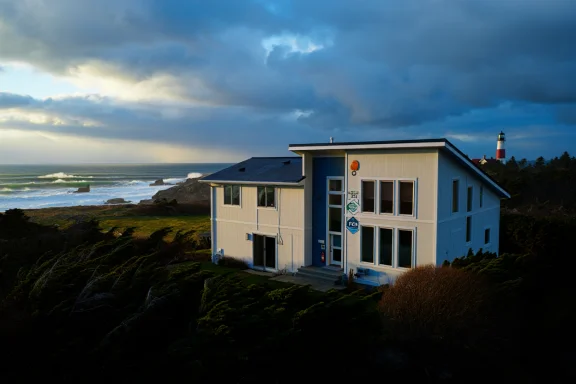
Your windows are about to face another Atlantic Canadian winter – complete with nor’easters that could knock a moose sideways, freezing rain that turns everything into a skating rink, and temperature swings that go from “spring jacket weather” to “where did I put my parka?” faster than you can say “storm’s coming from the southwest.”
If you’re planning window replacements anywhere from the Bay of Fundy to Cape Breton Highlands, you’re not just choosing windows – you’re selecting the armor that’ll protect your home against some of the most challenging weather conditions in North America. With heating costs in Atlantic Canada averaging $2,800-$4,200 annually, and windows responsible for up to 25% of heat loss, getting this decision right isn’t just about comfort – it’s about keeping your energy bills from looking like the federal debt.
From hurricane remnants that regularly track through the Maritimes to the bone-chilling winds off the Labrador Current, Atlantic Canadian homes need windows that perform like they were designed by engineers who actually understand what “storm-stayed” means.
Understanding Atlantic Canada’s Unique Climate Challenges
The Maritime Weather Reality
Atlantic Canada’s climate creates a perfect storm of conditions that test windows in ways most other regions never experience.
Temperature extremes and variations:
- Winter lows: -25°C to -35°C in inland areas, -15°C to -25°C coastal
- Summer highs: 25°C to 30°C, with occasional heat waves to 35°C+
- Daily fluctuations: 15-20°C temperature swings common during shoulder seasons
- Thermal cycling: Frequent freeze-thaw cycles stressing window seals and frames
Precipitation challenges:
- Annual precipitation: 1,200-1,500mm annually, among Canada’s highest
- Freezing rain events: 10-20 significant events per winter in most areas
- Snow loads: 200-400cm annual snowfall depending on elevation and location
- Driving rain: Storm systems creating horizontal precipitation
Wind exposure:
- Prevailing winds: Southwest winds 15-25 km/h year-round
- Storm winds: Hurricane remnants bringing 80-120+ km/h sustained winds
- Coastal exposure: Continuous wind exposure with salt spray
- Topographic effects: Hills and valleys creating wind tunnels and downdrafts
Unique Maritime factors:
- Salt air corrosion: Accelerated deterioration of metal components
- Fog and humidity: High moisture content affecting condensation
- Hurricane season: Annual risk of tropical storm systems
- Nor’easter frequency: Multiple major storms each winter
Regional Climate Variations
Nova Scotia:
- Halifax region: Moderate coastal climate with high humidity and frequent storms
- Cape Breton Highlands: More extreme temperatures and wind exposure
- South Shore: Direct Atlantic exposure with maximum storm impact
- Annapolis Valley: Sheltered valley with temperature inversions and frost pockets
New Brunswick:
- Saint John area: Bay of Fundy effects with extreme tides and temperature variations
- Fredericton region: Continental climate with more extreme temperature ranges
- Miramichi: River valley effects with fog and temperature inversions
- Northern regions: Approaching sub-arctic conditions with extreme cold
Prince Edward Island:
- Island-wide exposure: No natural wind breaks, constant maritime influence
- Red soil effects: Fine dust infiltration during dry periods
- Storm tracks: Direct exposure to storm systems from all directions
- Moderate temperatures: Less extreme than mainland but more consistent wind
Newfoundland and Labrador:
- St. John’s: Extreme wind exposure and frequent storms
- Interior regions: Continental climate with harsh winters
- Labrador: Sub-arctic conditions with extreme cold and wind
- Coastal areas: Maximum maritime exposure with ice and storm effects
Window Performance Requirements for Maritime Conditions
Energy Efficiency Standards
Insulation performance (U-factor): For Atlantic Canada’s climate zones (5-7), windows should meet or exceed these standards:
- Minimum code requirement: U-0.32 (RSI 3.1)
- ENERGY STAR qualification: U-0.28 (RSI 3.6) or better
- High-performance target: U-0.25 (RSI 4.0) or better
- Premium performance: U-0.20 (RSI 5.0) for extreme conditions
Solar heat gain considerations:
- SHGC range: 0.40-0.55 for heating-dominated climate
- South-facing optimization: Higher SHGC to capture winter solar gain
- North-facing efficiency: Lower SHGC to minimize heat loss
- Seasonal balance: Optimize for 6-8 month heating season
Air leakage performance:
- Code minimum: 1.5 L/s/m² at 75 Pa pressure differential
- Quality target: 1.0 L/s/m² for better performance
- Premium standard: 0.5 L/s/m² for maximum efficiency
- Installation critical: Proper installation essential for achieving rated performance
Storm Resistance Requirements
Wind load resistance: Atlantic Canadian windows must withstand significant wind forces.
- Design pressure: Minimum 2.4 kPa (50 psf) for most areas
- Hurricane zones: 3.6-4.8 kPa (75-100 psf) for coastal exposure
- Structural testing: Windows tested to CSA A440 standards
- Installation requirements: Proper anchoring to structural framing
Water infiltration resistance:
- Test pressure: 300 Pa minimum for standard applications
- Coastal requirements: 500+ Pa for direct storm exposure
- Flashing integration: Proper water management around window frames
- Drainage design: Adequate drainage channels and weep holes
Impact resistance considerations:
- Debris protection: Ability to withstand flying debris during storms
- Glass options: Laminated or tempered glass for enhanced safety
- Frame strength: Adequate frame strength to support impact loads
- Shutter compatibility: Ability to accommodate storm shutters
Condensation Control
Interior condensation prevention: Maritime humidity creates significant condensation challenges.
- Surface temperatures: Higher interior glass surface temperatures reduce condensation
- Frame thermal performance: Thermally broken frames prevent cold spots
- Ventilation integration: Windows that work with ventilation systems
- Humidity management: Understanding interaction with whole-house humidity control
Between-pane condensation:
- Seal integrity: High-quality seals preventing moisture infiltration
- Desiccant systems: Effective desiccant maintaining dry air space
- Quality manufacturing: Precise manufacturing preventing premature seal failure
- Warranty coverage: Comprehensive warranties covering seal failure
Window Frame Materials for Atlantic Canada
Vinyl Frames: The Popular Choice
Advantages for Maritime climate:
- Corrosion resistance: Immune to salt air corrosion
- Moisture immunity: Won’t rot or deteriorate from moisture exposure
- Low maintenance: No painting or refinishing required
- Cost effectiveness: Good performance at reasonable cost
- Thermal performance: Modern vinyl offers good insulation properties
Quality considerations:
- Wall thickness: Minimum 2.5mm wall thickness for structural integrity
- Reinforcement: Steel reinforcement in larger windows
- UV stability: Quality vinyl formulated for UV resistance
- Color retention: Better grades maintain color longer
- Welding quality: Fusion welding superior to mechanical fastening
Limitations in extreme conditions:
- Thermal movement: Significant expansion/contraction in temperature extremes
- Impact resistance: Can become brittle in extreme cold
- Repair difficulty: Damage often requires complete sash replacement
- Color limitations: Cannot be painted different colors easily
Maritime-specific considerations:
- Salt spray resistance: Excellent performance in coastal environments
- Storm damage: Impact resistance adequate for most debris
- Temperature cycling: Quality vinyl handles Maritime temperature swings
- Professional installation: Critical for proper performance in high-wind areas
Wood Frames: Traditional Maritime Choice
Historical significance: Wood windows have protected Maritime homes for centuries and remain appropriate for many applications.
- Architectural authenticity: Essential for heritage and traditional homes
- Customization capability: Can be manufactured to any size or configuration
- Repairability: Individual components can be repaired or replaced
- Aesthetic appeal: Natural beauty and warmth of wood
Performance characteristics:
- Insulation value: Natural insulation properties of wood
- Vapor permeability: Allows moisture movement preventing trapped moisture
- Structural strength: Excellent strength for large window units
- Longevity potential: Properly maintained wood windows last 50+ years
Maintenance requirements:
- Regular painting: Every 3-5 years depending on exposure
- Caulking maintenance: Annual inspection and touch-up required
- Hardware maintenance: Regular lubrication and adjustment
- Weather monitoring: Prompt attention to storm damage essential
Maritime challenges:
- Moisture exposure: High humidity and precipitation challenging wood finishes
- Salt air effects: Accelerated paint deterioration in coastal areas
- Storm damage: Vulnerable to impact damage during severe weather
- Maintenance access: Exterior maintenance difficult on multi-story homes
Wood species selection:
- Eastern White Pine: Traditional Maritime species, good workability
- Douglas Fir: Strong, stable, excellent paint holding
- Mahogany: Premium choice for coastal exposure resistance
- Engineered lumber: Laminated products offering improved stability
Aluminum Frames: Commercial Grade Performance
Performance advantages:
- Strength: Excellent structural properties for large windows
- Durability: Long lifespan with minimal maintenance
- Weather resistance: Excellent resistance to Maritime conditions
- Dimensional stability: Minimal movement with temperature changes
- Recyclability: Environmentally friendly at end of service life
Thermal considerations:
- Thermal bridging: Aluminum conducts heat rapidly without thermal breaks
- Thermal breaks: Polyamide strips essential for energy efficiency
- Condensation risk: Cold aluminum surfaces prone to condensation
- Performance variations: Significant differences between non-thermal and thermal break products
Maritime suitability:
- Corrosion resistance: Anodized or painted aluminum resists salt air
- Storm resistance: Excellent structural performance in high winds
- Impact resistance: Good resistance to storm debris
- Professional installation: Requires skilled installation for optimal performance
Cost considerations:
- Premium pricing: More expensive than vinyl, comparable to quality wood
- Energy efficiency costs: Poor thermal performance increases heating costs without thermal breaks
- Long-term value: Excellent durability offsets higher initial costs
- Maintenance costs: Minimal ongoing maintenance requirements
Fiberglass Frames: The Premium Option
Superior performance characteristics:
- Dimensional stability: Minimal expansion/contraction with temperature changes
- Strength: Excellent structural properties allowing large glass areas
- Insulation capability: Can be foam-filled for enhanced thermal performance
- Weather resistance: Excellent resistance to all Maritime weather conditions
Aesthetic advantages:
- Wood appearance: Can be manufactured with convincing wood grain texture
- Paint compatibility: Can be painted any color, holds paint well
- Profile flexibility: Available in various profiles matching architectural styles
- Color stability: Excellent color retention compared to other materials
Performance in Maritime climate:
- Salt air immunity: Unaffected by salt spray and coastal conditions
- Temperature stability: Performs consistently through temperature extremes
- Impact resistance: Excellent resistance to storm debris and mechanical damage
- Moisture resistance: Unaffected by high humidity and precipitation
Limitations:
- Cost: Most expensive frame material option
- Limited availability: Fewer manufacturers and suppliers
- Repair complexity: Specialized repair techniques required
- Color matching: Difficult to match colors for additions or repairs
Glass Options and Configurations
Insulated Glass Unit (IGU) Basics
Double-pane vs. triple-pane: For Atlantic Canada’s climate, the choice between double and triple-pane units depends on specific conditions and budget.
Double-pane specifications:
- Standard air gap: 16mm (5/8″) air space optimal
- Gas fill options: Argon fill provides 34% better insulation than air
- Low-E coatings: Essential for energy efficiency in Maritime climate
- Overall thickness: 24-28mm typical overall thickness
Triple-pane benefits:
- Enhanced insulation: 40-50% better thermal performance than double-pane
- Comfort improvement: Warmer interior glass surface temperatures
- Condensation reduction: Significantly reduces interior condensation risk
- Sound reduction: Better acoustic performance than double-pane
Triple-pane considerations:
- Cost premium: 20-40% more expensive than comparable double-pane
- Weight increase: Requires stronger frames and hardware
- Light transmission: Slightly reduced light transmission through additional pane
- Payback period: 8-15 years depending on energy costs and usage
Low-E Coating Selection
Coating types for Maritime climate:
- Hard coat (pyrolytic): Durable coating applied during glass manufacturing
- Soft coat (sputtered): Higher performance coating applied after manufacturing
- Multiple coatings: Some triple-pane units feature coatings on multiple surfaces
Coating selection for heating-dominated climate:
- Low solar gain Low-E: Surface 2 coating for maximum insulation
- Moderate solar gain Low-E: Balanced performance for mixed heating/cooling
- High solar gain Low-E: Surface 3 coating to maximize winter solar heat gain
- Neutral Low-E: Balanced approach for most applications
Performance characteristics:
- U-factor improvement: Low-E coatings improve U-factor by 15-30%
- SHGC control: Coatings allow solar heat gain optimization
- UV protection: Significant reduction in UV transmission protecting interiors
- Visible light: Minimal impact on visible light transmission
Gas Fills and Spacer Systems
Inert gas fills:
- Air (standard): Baseline performance, no additional cost
- Argon: 34% better insulation than air, modest cost increase
- Krypton: 50% better insulation, significant cost premium
- Xenon: Maximum performance, rarely cost-justified in residential applications
Spacer system importance:
- Aluminum spacers: Traditional choice, creates thermal bridge
- Warm-edge spacers: Insulating spacers reducing edge heat loss
- Performance impact: Warm-edge spacers improve overall window performance by 5-10%
- Condensation reduction: Warmer edge temperatures reduce condensation risk
Quality manufacturing considerations:
- Seal quality: Dual-seal systems providing redundant protection
- Desiccant effectiveness: High-quality desiccant maintaining dry air space
- Assembly precision: Precise manufacturing preventing premature failure
- Testing standards: Units tested to IGMA standards for durability
Window Styles and Configurations
Single-Hung and Double-Hung Windows
Traditional Maritime choice: Single and double-hung windows remain popular in Atlantic Canada due to architectural tradition and weather performance.
Advantages:
- Storm resistance: Vertical sliding operation less susceptible to wind damage
- Screen compatibility: Screens easily accommodated on exterior
- Architectural authenticity: Traditional appearance for heritage homes
- Ventilation control: Precise ventilation control through partial opening
Performance considerations:
- Air leakage: Meeting rail creates potential air leakage point
- Water infiltration: Horizontal joints vulnerable to driving rain
- Operation ease: Can become difficult to operate in extreme cold
- Maintenance access: Exterior cleaning requires ladder access or special features
Quality features:
- Balance systems: Spring or block-and-tackle systems for smooth operation
- Tilt-in sashes: Allow interior cleaning of exterior glass surfaces
- Weatherstripping: Multiple weatherstripping points for enhanced sealing
- Hardware quality: Corrosion-resistant hardware for coastal environments
Casement Windows
Superior performance characteristics: Casement windows offer excellent performance for Maritime conditions.
Weather sealing advantages:
- Compression sealing: Closed sash compresses against frame for excellent seal
- Single weatherstrip line: Continuous weatherstrip around entire perimeter
- Wind resistance: Closed sash locked against frame resists wind pressure
- Water shedding: Hinged design sheds water effectively
Operational benefits:
- Full opening: Complete opening for maximum ventilation and emergency egress
- Easy cleaning: Both sides of glass accessible from interior
- Hardware durability: Robust hardware systems handle Maritime conditions
- Screen options: Screens mount on interior for protection from weather
Maritime considerations:
- Wind catch: Open sashes can catch wind during storms
- Hardware exposure: Exterior hardware requires corrosion-resistant materials
- Screen storage: Interior screens require storage when not in use
- Operation clearance: Requires exterior clearance for operation
Awning and Hopper Windows
Specialized applications: Awning and hopper windows serve specific functions in Maritime homes.
Awning windows:
- Rain protection: Can remain open during light rain
- Basement applications: Excellent for below-grade ventilation
- Privacy ventilation: Provide ventilation while maintaining privacy
- Storm resistance: Good resistance to driving rain when closed
Hopper windows:
- Basement preferred: Traditional choice for basement ventilation
- Easy cleaning: Interior cleaning of all glass surfaces
- Security benefit: Limited opening restricts unauthorized entry
- Snow shedding: Design prevents snow accumulation on sill
Fixed Windows and Picture Windows
Maximum efficiency applications: Fixed windows provide optimal thermal performance and storm resistance.
Performance advantages:
- No air leakage: No operating hardware eliminates air leakage points
- Maximum strength: Fixed glazing provides maximum structural integrity
- Cost effectiveness: Lower cost than operable windows of same size
- Design flexibility: Available in unlimited sizes and shapes
Application considerations:
- Ventilation planning: Must be combined with operable windows for ventilation
- Emergency egress: Cannot provide emergency exit capability
- Cleaning access: Exterior cleaning requires ladder or professional service
- Thermal movement: Large units require accommodation for thermal expansion
Storm Protection and Hurricane Resistance
Understanding Storm Window Ratings
Design pressure ratings: Maritime windows should meet or exceed appropriate design pressure ratings.
- Standard rating: 2.4 kPa (50 psf) for most inland applications
- Enhanced rating: 3.6 kPa (75 psf) for exposed coastal areas
- Hurricane rating: 4.8+ kPa (100+ psf) for maximum exposure areas
- Testing standards: CSA A440 testing providing standardized performance data
Water infiltration resistance:
- Standard test: 300 Pa test pressure for basic applications
- Enhanced test: 500 Pa test pressure for storm-exposed applications
- Coastal requirements: 750+ Pa for direct ocean exposure
- Installation critical: Proper installation essential for achieving test performance
Impact Resistance Options
Glass options for storm protection:
- Laminated glass: Two glass panes with plastic interlayer
- Tempered glass: Strengthened glass breaking into small pieces
- Security film: Applied film holding glass together when broken
- Hurricane glass: Specially designed for extreme impact resistance
Frame considerations:
- Reinforced frames: Extra structural support for impact loads
- Anchoring systems: Enhanced fastening to building structure
- Hardware strength: Robust hardware systems handling extreme loads
- Professional installation: Certified installation for maximum performance
Storm Shutter Compatibility
Permanent shutter systems:
- Roll-down shutters: Motorized shutters providing maximum protection
- Accordion shutters: Fold-back shutters for seasonal protection
- Colonial shutters: Decorative shutters providing storm protection
- Bahama shutters: Hinged shutters providing shade and storm protection
Removable protection:
- Storm panels: Aluminum or steel panels for seasonal installation
- Plywood protection: Emergency protection using pre-cut plywood
- Fabric systems: New technology using flexible fabric protection
- Window film: Protective film preventing glass scattering
Energy Efficiency and Rebate Programs
Government Incentive Programs
Federal programs:
- Canada Greener Homes Grant: Up to $5,000 for window replacements
- Interest-free loans: Up to $40,000 for comprehensive energy retrofits
- EnerGuide requirements: Pre- and post-retrofit evaluations required
- Eligible products: ENERGY STAR certified windows meeting program requirements
Provincial programs:
- Nova Scotia: Efficiency Nova Scotia rebates for window upgrades
- New Brunswick: NB Power efficiency programs and rebates
- Prince Edward Island: Provincial energy efficiency rebate programs
- Newfoundland and Labrador: Provincial rebates coordinated with federal programs
Utility programs:
- Nova Scotia Power: Rebates for electric heating customers
- Maritime Electric: PEI utility rebates for efficiency improvements
- Newfoundland Power: Rebates for electric customers
- Municipal programs: Additional rebates in Halifax, Charlottetown, and other cities
Calculating Energy Savings
Heating cost reductions: Window upgrades can provide significant heating cost savings in Atlantic Canada.
Typical savings scenarios:
- Single to double-pane upgrade: 15-25% window-related heat loss reduction
- Old double to new triple-pane: 20-35% additional improvement
- Complete window upgrade: $300-$800 annual heating cost reduction typical
- Payback period: 12-20 years depending on window quality and energy costs
Factors affecting savings:
- Existing window condition: Older, poorly performing windows provide greater savings opportunity
- Home size and exposure: Larger homes and high-exposure areas see greater benefits
- Heating system efficiency: Savings multiply with efficient heating systems
- Usage patterns: Occupied homes see greater comfort benefits
Installation Considerations for Maritime Conditions
Professional Installation Requirements
Certified installer benefits:
- Manufacturer warranty: Professional installation often required for full warranty
- Code compliance: Ensures installation meets building code requirements
- Performance achievement: Proper installation essential for achieving rated performance
- Problem prevention: Prevents installation-related problems and callbacks
Installation quality factors:
- Flashing details: Proper water management around window openings
- Air sealing: Continuous air barrier around window perimeter
- Insulation integration: Proper insulation installation around frames
- Structural attachment: Adequate fastening to building structure
Seasonal Installation Planning
Optimal installation timing:
- Late spring/early summer: Ideal weather conditions, contractor availability
- Fall installation: Good conditions, completion before winter storms
- Winter installation: Possible but weather-dependent, higher costs
- Storm season avoidance: Plan installation to avoid hurricane season if possible
Weather considerations:
- Temperature requirements: Installation materials have minimum temperature requirements
- Moisture conditions: Dry conditions essential for proper sealing
- Wind restrictions: High winds prevent safe installation of large units
- Forecast planning: Multi-day weather windows needed for larger projects
Quality Control and Inspection
Installation checklist:
- Proper sizing: Windows fit openings correctly with appropriate clearances
- Level and plumb: Windows installed level, plumb, and square
- Fastening adequacy: Proper fastener type, size, and spacing
- Sealing completeness: All gaps properly sealed against air and water infiltration
Performance testing:
- Operation testing: All operable windows function smoothly and lock properly
- Water testing: Installation tested for water infiltration resistance
- Air leakage testing: Blower door testing to verify air sealing effectiveness
- Warranty activation: All warranty requirements completed and documented
Your Path to the Perfect Maritime Window Solution
Choosing the right windows for Atlantic Canada’s challenging climate isn’t just about finding the cheapest option or the fanciest features – it’s about selecting windows that will protect your home and family through decades of Maritime weather while keeping your energy costs manageable.
Start by understanding your specific exposure and performance needs. A sheltered Halifax suburban home has different requirements than a coastal cottage facing the full force of Atlantic storms. Consider your budget not just for initial purchase, but for long-term energy costs and maintenance requirements.
Don’t underestimate the importance of professional installation. The best windows in the world won’t perform properly if they’re not installed correctly for Maritime conditions. Invest in certified installers who understand local building codes and have experience with your chosen window products.
Take advantage of available rebate programs, but don’t let rebates drive your decision entirely. The right window system professionally installed will serve your home for 25-30 years – choose based on long-term performance and value, with rebates as a bonus that improves your return on investment.
Ready to upgrade your windows for Atlantic Canada’s challenging climate? Start by getting professional energy assessments to identify your biggest opportunities, then get detailed quotes from certified installers for your top window choices. Your home deserves windows that can handle whatever the Atlantic throws at them while keeping you comfortable and your energy bills reasonable.
Remember – in Maritime Canada, your windows aren’t just protecting you from the weather, they’re protecting you from some of the most challenging weather conditions anywhere. Choose accordingly, and they’ll serve you well through many storm seasons to come.