The Hidden Costs of DIY Window Installation
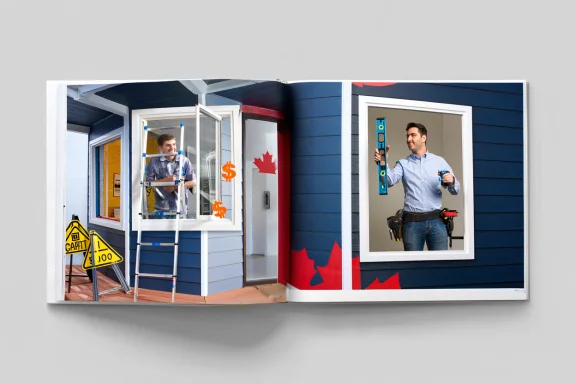
You’re scrolling through YouTube, watching a cheerful contractor make window installation look as easy as assembling IKEA furniture (and we all know how that usually goes). The project looks straightforward: measure, remove old window, install new one, caulk around edges. What could possibly go wrong?
If you’re a Canadian homeowner considering DIY window installation to save money, you’re not alone. With professional installation costs ranging from $150-$800 per window depending on complexity and location, the temptation to tackle this project yourself is real. But before you grab your tools and channel your inner Mike Holmes, let’s examine the true cost of DIY window installation – including the hidden expenses that can turn a money-saving project into a financial disaster.
The reality? DIY window installation mistakes cost Canadian homeowners an average of $2,400 per window in repairs, remediation, and re-installation when things go wrong. And in Canada’s challenging climate, things go wrong more often than you might think.
The True Cost Breakdown: DIY vs. Professional Installation
Professional Installation: What You’re Actually Paying For
When you hire a certified window installer, you’re not just paying for labor – you’re investing in expertise, insurance, warranties, and peace of mind.
Professional installation costs in Canada:
- Basic vinyl replacement: $150-$400 per window
- Premium materials/complex installation: $400-$800 per window
- Heritage or custom windows: $600-$1,200+ per window
- High-rise or difficult access: Additional 20-50% premium
What’s included in professional installation:
- Proper tools and equipment: $2,000-$5,000 worth of specialized tools
- Building code compliance: Knowledge of National Building Code requirements
- Warranty coverage: 2-10 year warranties on installation workmanship
- Insurance protection: Liability coverage for damage during installation
- Permit handling: Professional permits and inspections where required
- Weather expertise: Understanding of Canadian climate considerations
DIY Installation: The Hidden Cost Reality
Initial DIY costs (per window):
- Window unit: $200-$800 (same as professional pricing)
- Tools and materials: $150-$300 for first window, less for subsequent
- Permits: $50-$200 (where required)
- Time investment: 4-8 hours per window for inexperienced installer
Hidden costs that blindside DIY installers:
- Structural repairs: $500-$2,000 when rough opening modifications needed
- Water damage remediation: $1,500-$8,000 when improper installation causes leaks
- Energy efficiency failures: $200-$500 annually in higher heating costs
- Professional remediation: $800-$1,500 to fix DIY mistakes before proper installation
- Code compliance issues: $300-$1,000 in fines and required corrections
- Insurance complications: Potential coverage denial for DIY installation damage
The mathematics of DIY failure:
- Conservative estimate: 35% of DIY window installations require professional correction
- Average correction cost: $1,200 per window
- Total DIY risk: Initial savings of $200-$400 vs. potential costs of $1,200-$3,000
Common DIY Window Installation Mistakes (And Their Expensive Consequences)
Improper Measurement and Sizing
The mistake: Measuring window openings incorrectly or assuming all windows are standard sizes.
Why it happens:
- Canadian homes often have non-standard openings, especially older construction
- Settling and structural changes alter opening dimensions over time
- Multiple measurement points needed – many DIYers take single measurements
- Failure to account for frame irregularities and out-of-square openings
The consequences:
- Wrong-sized windows: $200-$800 restocking fees plus return shipping
- Structural modifications: $500-$2,000 to enlarge or reduce openings
- Emergency interim solutions: Temporary boarding costs while awaiting correct windows
- Professional consultation: $150-$300 to assess and correct sizing issues
Canadian-specific complications:
- Heritage homes with unique window sizes
- Post-war construction with non-standard dimensions
- Settling in areas with challenging soil conditions
- Building code changes affecting acceptable opening sizes
Real-world example: Winnipeg homeowner measured window opening at 32″ wide, ordered standard 32″ window. Actual opening was 32¼” wide at bottom, 31¾” at top. Required structural work to square opening: $800. Professional installer would have measured correctly and ordered custom window.
Inadequate Weather Sealing
The mistake: Underestimating the importance of proper weather sealing in Canadian climates.
Critical sealing points often missed by DIYers:
- Sill pan installation: Proper drainage system beneath window
- Air barrier continuity: Connecting window air barrier to house air barrier
- Vapor barrier integration: Preventing moisture infiltration behind window
- Thermal bridging prevention: Insulation continuity around frame
The consequences:
- Water infiltration: $2,000-$8,000 in water damage and mold remediation
- Air leakage: 15-30% increase in heating costs annually
- Ice dam formation: Damaged gutters, fascia, and interior ceilings
- Structural damage: Rot in framing members requiring extensive repairs
Canadian climate factors:
- Freeze-thaw cycles exploiting any seal imperfections
- Wind-driven rain testing every vulnerable point
- Snow loading affecting window frame performance
- Extreme temperature differentials stressing sealing materials
Case study: Calgary homeowner installed new windows without proper sill pan. First major rainfall caused water infiltration damaging hardwood flooring, drywall, and insulation. Repair costs: $6,800. Professional installation would have prevented issue entirely.
Structural Issues and Framing Problems
The mistake: Assuming window installation is just “plug and play” without understanding structural implications.
Common structural oversights:
- Header adequacy: Failing to verify existing header can support new window weight
- Jack stud placement: Improper support for window frame
- Sill support: Inadequate support for window weight and operational stresses
- Rough opening modifications: Cutting structural elements without engineering assessment
Consequences of structural mistakes:
- Sagging windows: Operational problems and seal failures
- Wall cracking: Interior and exterior cracks around window
- Foundation issues: Improper loading can affect foundation performance
- Safety hazards: Structural instability posing safety risks
Professional knowledge requirements:
- Understanding load-bearing vs. non-load-bearing walls
- Proper header sizing for different span lengths
- Integration with existing structural systems
- Building code requirements for structural modifications
Maritime example: Halifax homeowner removed original window and discovered header was undersized for new larger window. Structural engineer consultation and beam replacement: $2,200. Professional installer would have identified issue during initial assessment.
Tool and Equipment Limitations
The reality: Professional window installation requires specialized tools that most homeowners don’t own.
Essential professional tools:
- Window installation bars: For proper positioning and adjustment ($150-$300)
- Pneumatic caulk guns: Consistent, weather-tight sealing ($200-$400)
- Digital levels: Precision leveling for proper operation ($100-$250)
- Oscillating saws: Clean cuts without damaging surrounding materials ($150-$400)
- Moisture meters: Detecting hidden moisture problems ($100-$300)
- Safety equipment: Fall protection for upper-story installations ($300-$500)
DIY tool substitutes and their limitations:
- Hand levels vs. digital: Less precise, can result in operational problems
- Manual caulk guns: Inconsistent application leading to seal failures
- Basic saws: Rough cuts requiring additional finishing work
- Improvised positioning: Risk of damage to window or injury to installer
The false economy: Buying professional-grade tools for single-use DIY project often costs more than hiring professionals, plus tools require knowledge and experience to use effectively.
Professional Installation Value: What You Get for Your Money
Expertise and Knowledge
Code compliance expertise:
- National Building Code: Understanding current requirements and local amendments
- Provincial variations: Different provinces have specific requirements
- Municipal bylaws: Local requirements that vary by jurisdiction
- Permit navigation: Knowing when permits required and how to obtain them
Material and product knowledge:
- Climate-appropriate selection: Products suited for specific Canadian regions
- Performance optimization: Getting maximum efficiency from window investment
- Warranty navigation: Understanding manufacturer warranties and requirements
- Compatibility assessment: Ensuring new windows work with existing systems
Installation technique mastery:
- Proper sequencing: Order of operations for weather-tight installation
- Adjustment procedures: Fine-tuning for optimal operation and sealing
- Problem-solving experience: Handling unexpected issues efficiently
- Quality control: Systematic inspection ensuring installation meets standards
Insurance and Warranty Protection
Professional liability insurance:
- Damage coverage: Protection against installation-related damage
- Workmanship guarantees: Repairs covered if installation issues develop
- Code compliance assurance: Protection against code violation penalties
- Third-party damage: Coverage for damage to neighboring properties
Warranty advantages:
- Extended coverage: Professional installation often extends manufacturer warranties
- Service continuity: Established companies provide ongoing service
- Parts and labor: Comprehensive coverage including materials and installation
- Transferable warranties: Value preservation for future home sales
DIY warranty limitations:
- Voided manufacturer warranties: Many warranties require professional installation
- No installation warranty: DIYers have no recourse for installation failures
- Insurance complications: Home insurance may not cover DIY installation damage
- Resale impact: Lack of professional installation documentation affects home value
Time and Convenience Factors
Professional efficiency:
- Experience advantage: Professionals complete installations in 1-3 hours vs. DIY 6-12 hours
- Weather flexibility: Professionals work efficiently in challenging conditions
- Problem resolution: Quick solutions for unexpected complications
- Cleanup included: Complete cleanup and disposal of old materials
DIY time reality:
- Learning curve: First-time installers face steep learning curve
- Multiple trips: Hardware store runs for forgotten materials or tools
- Weather delays: DIY projects more vulnerable to weather interruptions
- Quality time investment: Getting professional results requires significant additional time
Regional Considerations Across Canada
Climate-Specific Installation Challenges
Prairie provinces:
- Wind resistance: Extreme wind loads require specialized installation techniques
- Temperature extremes: Materials must accommodate -40°C to +35°C range
- Dust infiltration: Sealing techniques must prevent fine dust penetration
- Professional advantage: Experience with prairie-specific challenges
Coastal regions:
- Salt air corrosion: Specialized materials and installation techniques required
- Hurricane resistance: Installation must meet high wind-load requirements
- Moisture management: Complex vapor barrier and drainage systems essential
- Professional knowledge: Understanding of marine environment challenges
Northern territories:
- Extreme conditions: Installation in temperatures below -30°C requires expertise
- Limited working season: Professional efficiency crucial for short construction season
- Specialized materials: Products must meet arctic performance standards
- Professional availability: Limited qualified installers make professional scheduling important
Building Code Variations
Provincial differences:
- Ontario: Strict energy efficiency requirements affecting installation methods
- Quebec: Unique requirements reflecting French construction traditions
- British Columbia: Seismic considerations affecting window attachment methods
- Atlantic provinces: Hurricane resistance requirements in coastal areas
Municipal variations:
- Heritage districts: Special requirements for window replacement
- Energy efficiency programs: Rebate requirements often mandate professional installation
- Permit requirements: Some municipalities require permits for window replacement
- Inspection protocols: Professional familiarity with local inspection processes
Making the Right Decision: When to DIY vs. Hire Professionals
Good Candidates for DIY Window Installation
Ideal DIY scenarios (rare but possible):
- Single-story ranch homes: Easy access, standard construction
- New construction windows: Standard sizes, no structural complications
- Experienced DIYer: Previous successful window installation experience
- Simple replacements: Direct replacement with identical window size
- Non-critical locations: Basement or garage windows where mistakes less costly
DIY success requirements:
- Proper tools: Willingness to invest in quality tools
- Time availability: Adequate time to complete project properly
- Weather window: Favorable weather conditions for installation
- Backup plan: Professional contractor on standby for complications
Situations Requiring Professional Installation
Always hire professionals for:
- Second-story installations: Safety risks and access challenges
- Structural modifications: Any changes to rough openings
- Heritage homes: Specialized knowledge and materials required
- Bay or bow windows: Complex installation requiring structural expertise
- Energy efficiency rebates: Professional installation often required for rebates
High-risk scenarios:
- Brick or stone construction: Potential for expensive masonry damage
- Load-bearing wall modifications: Structural engineering implications
- Complex flashing details: Critical waterproofing in vulnerable locations
- Insurance concerns: Risk of voiding coverage with DIY installation
Cost-Benefit Analysis Framework
Calculate your true DIY risk:
- Estimate DIY costs: Materials + tools + permits + time value
- Professional quote: Get detailed quotes from 3+ certified installers
- Risk assessment: Multiply potential failure costs by likelihood of problems
- Total comparison: DIY costs + risk costs vs. professional installation
Decision factors beyond cost:
- Stress and convenience: Value of professional peace of mind
- Time opportunity cost: What else could you accomplish with the time?
- Learning value: Will you install enough windows to justify learning curve?
- Safety considerations: Personal safety and property damage risks
Your Path to Smart Window Installation Decisions
DIY window installation can save money, but only when done correctly by experienced DIYers in ideal circumstances. For most Canadian homeowners, the hidden costs and risks of DIY installation far outweigh the potential savings, especially when considering our challenging climate conditions and diverse architectural heritage.
The smartest approach? Get detailed quotes from certified professionals and compare them honestly against the true costs of DIY – including tools, materials, time, and risk of failure. Many homeowners are surprised to find that professional installation provides excellent value when all factors are considered.
If you do decide to tackle window installation yourself, invest in proper tools, take time to understand the process thoroughly, have a professional contractor on standby for complications, and be prepared to call them at the first sign of problems. Pride isn’t worth thousands in water damage or structural repairs.
Whether you choose DIY or professional installation, prioritize doing the job right the first time. Windows are long-term investments in your home’s comfort, efficiency, and value – shortcuts today often become expensive problems tomorrow.
Ready to make a smart decision about your window installation? Start by getting professional quotes to establish realistic cost baselines, then honestly assess your skills, available time, and risk tolerance. Your home deserves windows installed correctly, whether that’s by you or by certified professionals who do this work every day.
Remember – in Canada’s climate, there’s no such thing as “good enough” when it comes to window installation. The weather will find and exploit any weakness, so make sure your installation can handle whatever Mother Nature throws at it.