Signs It’s Time to Replace Your Front Door
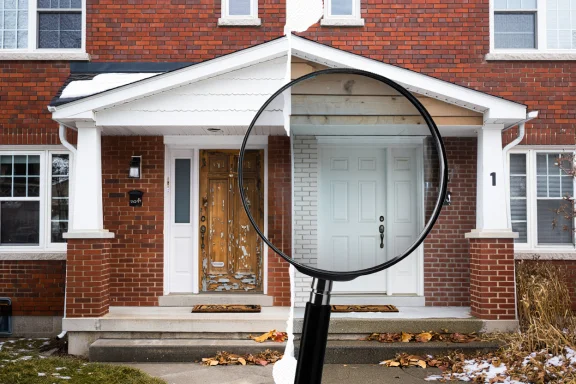
Your front door greets every guest, delivery driver, and would-be intruder who approaches your home. It’s also working 24/7 to keep Canadian weather outside where it belongs while maintaining your home’s security envelope. But like that favorite winter coat you’ve had since university, there comes a time when repairs aren’t enough and replacement becomes inevitable.
With Canadian households losing an average of 15-25% of their heating through poorly performing doors and windows, according to Natural Resources Canada, a failing front door isn’t just an aesthetic issue – it’s costing you money every month. Add security concerns from aging hardware and the potential for sudden failure during extreme weather, and knowing when to replace becomes critical knowledge for any homeowner.
Whether you’re dealing with a vintage wood door that’s seen better decades or a builder-grade steel door showing its age, recognizing the warning signs early helps you plan replacement before emergency situations force hasty (and expensive) decisions.
Structural and Physical Wear Indicators
Wood Door Deterioration Signs
Wood doors face unique challenges in Canadian climates, where extreme temperature swings and moisture exposure accelerate aging.
Visible rot and decay:
- Bottom rail rot: Most common failure point where door meets threshold
- Corner joint separation: Joints opening due to wood movement and age
- Panel warping: Individual panels bowing or cupping from moisture exposure
- Stile and rail checking: Cracks running with the wood grain
Moisture damage indicators:
- Paint failure patterns: Peeling paint in specific areas indicates moisture infiltration
- Staining: Dark stains suggesting water penetration and potential mold
- Swelling and binding: Door sticking in frame, especially during humid weather
- Hardware corrosion: Metal components showing rust or deterioration
Canadian climate impact: Freeze-thaw cycles are particularly destructive to wood doors. Water penetrates small cracks and expands when frozen, creating larger cracks that allow more water infiltration. This cycle accelerates dramatically in Maritime regions and areas with frequent temperature fluctuations.
Assessment technique: Use a screwdriver or awl to probe suspect areas gently. Soft, spongy wood that compresses easily indicates advanced rot requiring door replacement rather than repair.
Steel Door Degradation Patterns
Steel doors are popular in Canada for their durability, but they have specific failure modes that indicate replacement necessity.
Rust and corrosion issues:
- Bottom edge rust: Where steel meets threshold, especially in salt-exposure areas
- Hardware mounting points: Rust around hinges, locks, and handle hardware
- Dent and scratch corrosion: Damaged protective coating leading to rust formation
- Core exposure: Rust indicating foam insulation core exposure to moisture
Frame and structure problems:
- Dent accumulation: Multiple impacts compromising door integrity
- Magnetic weatherstrip failure: Seals no longer making proper contact
- Thermal bridging: Cold transfer through damaged insulation
- Panel separation: Outer steel skin separating from door structure
Security hardware wear:
- Lock mechanism failure: Difficulty turning key or operating deadbolt
- Hinge wear: Visible wear on hinge pins or mounting screws
- Strike plate damage: Repeated door impacts damaging frame mounting
- Handle mechanism failure: Loose or malfunctioning door handles
Fiberglass Door Wear Patterns
Fiberglass doors generally offer excellent durability but show specific aging characteristics.
Surface degradation:
- Gel coat chalking: Surface becoming chalky and dull
- Color fading: UV exposure causing color changes
- Surface cracking: Fine cracks in gel coat finish
- Texture loss: Wood-grain texture wearing smooth
Structural concerns:
- Panel flexibility: Panels feeling soft or flexible when pressed
- Core degradation: Insulation settling or moisture infiltration
- Glass integration failure: Decorative glass panels becoming loose
- Hardware mounting looseness: Fasteners working loose over time
Energy Efficiency and Performance Issues
Air Leakage and Draft Problems
Air leakage around doors significantly impacts heating costs and home comfort.
Common air leakage points:
- Threshold gaps: Space between door bottom and threshold
- Side jamb gaps: Vertical gaps between door and frame sides
- Top jamb gaps: Often overlooked but significant heat loss area
- Hardware penetrations: Gaps around lock and handle hardware
Detection methods:
- Visual inspection: Look for light coming through gaps when door is closed
- Incense test: Use smoke to identify air movement on windy days
- Dollar bill test: Paper should resist when pulled between closed door and frame
- Professional blower door test: Quantifies total home air leakage
Canadian climate impact: A door with significant air leakage can increase heating costs by $100-$300 annually in typical Canadian climates. In extreme climates or with high energy costs, the impact can be even greater.
When repair isn’t sufficient:
- Weatherstripping replacement doesn’t eliminate drafts
- Door or frame warping prevents proper sealing
- Multiple gaps requiring comprehensive weatherstripping replacement
- Threshold adjustment doesn’t improve bottom seal
Thermal Performance Degradation
Door thermal performance deteriorates over time through various mechanisms.
Insulation failure signs:
- Cold spots: Areas of door feeling significantly colder than others
- Condensation patterns: Interior condensation on door surface
- Ice formation: Ice buildup on interior door hardware in extreme cold
- Temperature differentials: Noticeable temperature change when standing near door
Glass unit failure:
- Condensation between glass: Broken seal in insulated glass units
- Fogged appearance: Permanent fogging indicating moisture infiltration
- Glass panel looseness: Glazing compound failure allowing movement
- Frame integration problems: Glass units separating from door frame
Thermal bridging issues:
- Metal component coldness: Hardware, hinges, or frame components conducting cold
- Frame material degradation: Thermal breaks failing in aluminum frames
- Installation gaps: Insulation gaps around door frame allowing heat loss
Moisture Infiltration Problems
Water infiltration causes immediate problems and indicates failing door systems.
Water entry indicators:
- Interior water stains: Staining on flooring or walls near door
- Mold or mildew growth: Biological growth indicating moisture problems
- Paint or finish damage: Interior finishes damaged by water
- Threshold deterioration: Water damage to threshold or subfloor
Canadian moisture challenges:
- Driving rain: Wind-driven precipitation overwhelming door sealing
- Snow infiltration: Fine snow penetrating through small gaps
- Ice dam effects: Backup water from ice dams affecting door area
- Freeze-thaw damage: Water infiltration causing damage when frozen
Storm door considerations: Storm doors can mask problems with primary doors while creating their own moisture issues if not properly ventilated.
Security and Safety Concerns
Lock and Hardware Failure
Door security depends on properly functioning hardware that integrates with door structure.
Lock mechanism problems:
- Key operation difficulty: Increasing force required to operate lock
- Deadbolt binding: Deadbolt not extending fully or binding in strike plate
- Handle mechanism failure: Loose handles or non-functioning latches
- Multiple key attempts: Lock requiring multiple attempts for operation
Strike plate and frame issues:
- Loose strike plates: Fasteners pulling out of frame wood
- Frame damage: Repeated impacts damaging door frame structure
- Gap misalignment: Door and strike plate not properly aligned
- Wood deterioration: Frame wood becoming soft or damaged
Hinge deterioration:
- Pin wear: Hinge pins showing significant wear or looseness
- Mounting screw failure: Screws pulling out of frame or door
- Binding operation: Hinges binding or requiring excessive force
- Visible wear patterns: Metal-on-metal wear indicating replacement need
Structural Security Weaknesses
Door structural integrity affects overall home security.
Frame integrity issues:
- Wood frame deterioration: Rot or damage affecting fastener holding power
- Gap enlargement: Increasing gaps between door and frame
- Threshold deterioration: Damage affecting door bottom security
- Weather stripping gaps: Large gaps that compromise security
Door panel vulnerabilities:
- Hollow core exposure: Damage exposing hollow core construction
- Panel flexibility: Panels that flex significantly under pressure
- Glass vulnerability: Large glass areas without security glazing
- Hardware mounting weakness: Fasteners not adequately securing hardware
Emergency Egress Concerns
Doors must function reliably for emergency exit, especially during extreme weather.
Operation reliability:
- Sticking problems: Door requiring excessive force to open
- Hardware failure risk: Locks or handles failing during emergency use
- Weather-related binding: Door not operating properly in extreme conditions
- Multiple operation attempts: Unreliable operation requiring multiple attempts
Code compliance issues:
- Swing direction: Door not swinging outward as required by code
- Opening force: Door requiring excessive force to open
- Hardware height: Hardware not at accessible heights
- Clear width: Door not providing required clear opening width
When Repair Isn’t Enough: The Replacement Decision
Economic Analysis: Repair vs. Replace
Repair cost evaluation:
- Materials and labor: Cost of weatherstripping, hardware, refinishing
- Temporary nature: Whether repairs address underlying problems
- Recurring costs: Frequency of needed repairs and maintenance
- Opportunity cost: Time and effort invested in ongoing maintenance
Replacement cost considerations:
- Door and hardware: Complete door system with quality hardware
- Professional installation: Proper installation ensuring performance
- Permits and inspections: Code compliance requirements
- Disposal costs: Removal and disposal of old door
Break-even analysis: If annual repair and maintenance costs exceed 15-20% of replacement cost, replacement typically provides better long-term value.
Canadian climate factor: Harsh weather accelerates door aging, making replacement more economically attractive than in moderate climates.
Performance Standards for Replacement
Energy efficiency requirements:
- U-factor: 0.5 or lower for Canadian climates
- Air leakage: 1.5 L/s/m² or less for quality performance
- ENERGY STAR qualification: Meets Canadian climate zone requirements
- Thermal bridge prevention: Advanced frame designs minimizing heat transfer
Security standards:
- Lock grade: Grade 1 deadbolts for maximum security
- Strike plate: Heavy-duty strike plates with long fasteners
- Hinge quality: Ball-bearing hinges with security features
- Frame construction: Solid wood or steel frame construction
Durability expectations:
- Material quality: Premium materials designed for Canadian conditions
- Hardware grade: Commercial-grade hardware for longevity
- Finish durability: Factory finishes designed for extreme weather
- Warranty coverage: Comprehensive warranties indicating manufacturer confidence
Timing Replacement Strategically
Seasonal considerations:
- Spring installation: Ideal weather conditions, contractor availability
- Summer installation: Best weather, but peak demand and higher costs
- Fall installation: Good weather, pre-winter completion
- Winter installation: Possible but weather-dependent, lower contractor availability
Budget planning:
- Government rebates: Canada Greener Homes and provincial programs
- Energy savings: Calculate monthly savings from efficient doors
- Financing options: Contractor financing or home equity options
- Tax considerations: Potential tax credits for energy-efficient upgrades
Coordination with other projects:
- Exterior painting: Coordinate door replacement with house painting
- Siding replacement: Install door before siding for best integration
- Storm door installation: Plan storm door installation with primary door
- Entryway renovation: Coordinate with broader entryway improvements
Regional Considerations Across Canada
Climate-Specific Door Requirements
Atlantic Canada:
- Hurricane resistance: Wind-rated doors for storm-prone areas
- Salt air resistance: Materials and finishes resistant to coastal corrosion
- Moisture management: Enhanced weatherproofing for high-humidity conditions
- Storm door necessity: Additional protection layer often required
Central Canada:
- Extreme temperature range: Doors must perform from -30°C to +35°C
- Freeze-thaw durability: Materials resistant to thermal cycling
- Security priorities: Urban security concerns affecting door selection
- Energy efficiency focus: High-performance doors justified by heating costs
Prairie Provinces:
- Wind resistance: Doors must withstand sustained high winds
- Dust infiltration: Sealing systems resistant to fine dust penetration
- Extreme cold performance: Hardware and sealing functional at -40°C
- Large temperature swings: Materials accommodating rapid temperature changes
Western Canada:
- Seismic considerations: Door installation methods for earthquake zones
- Diverse climate zones: Different requirements within single provinces
- Wildfire considerations: Fire-resistant materials in high-risk areas
- Moisture variations: Coastal vs. interior moisture management needs
Building Code and Permit Requirements
National Building Code:
- Energy efficiency: Minimum thermal performance requirements
- Safety standards: Fire resistance and egress requirements
- Accessibility: Door operation force and hardware height requirements
- Structural requirements: Proper attachment and support specifications
Provincial variations:
- Enhanced energy codes: Some provinces exceed national minimums
- Seismic requirements: BC and Quebec seismic design considerations
- Heritage restrictions: Special requirements in heritage districts
- Environmental standards: Green building requirements in some jurisdictions
Municipal permits:
- Permit requirements: When permits required for door replacement
- Inspection needs: Required inspections for permit compliance
- Heritage considerations: Special approval processes for heritage properties
- Contractor licensing: Requirements for professional installation
Making the Right Door Replacement Decision
Recognizing when your front door needs replacement isn’t just about aesthetics or even obvious functionality problems – it’s about maintaining your home’s security, energy efficiency, and weather protection. Canadian climate conditions accelerate door aging, making proactive replacement more cost-effective than reactive emergency replacement.
Start by systematically evaluating your current door using the criteria outlined above. Focus on energy efficiency, security functionality, and structural integrity rather than just cosmetic concerns. A door that looks tired but functions well might benefit from refinishing, while a door that looks decent but has security or energy efficiency problems likely needs replacement.
Consider your long-term plans for the home and coordinate door replacement with other exterior improvements for maximum value and efficiency. Quality door replacement is an investment that pays dividends through improved energy efficiency, enhanced security, and increased home value.
When replacement becomes necessary, invest in quality materials and professional installation. A premium door system professionally installed will serve your home reliably for 25-30 years, while a budget door may need replacement again within 10-15 years.
Ready to evaluate your front door’s replacement needs? Start with a thorough inspection focusing on energy efficiency, security, and structural integrity. Document any issues with photos and consider having a professional assessment if problems are significant. Your home’s first line of defense against Canadian weather deserves careful consideration and quality investment.
Remember – your front door is working every day to protect your family and your investment. Give it the attention it deserves, and replace it before small problems become big expenses.