The Psychology Behind Decision-Making: How Emotions Drive Choices
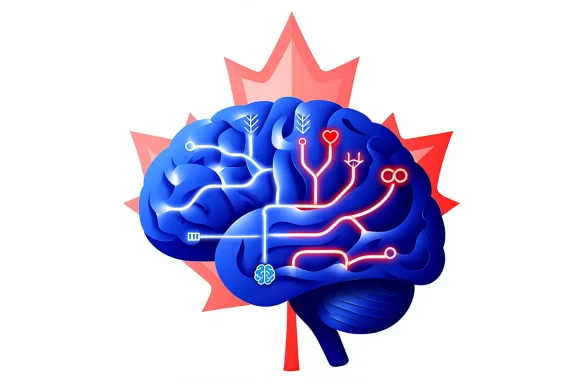
You’re standing in the grocery store, staring at two identical boxes of cereal. One costs $4.99, the other $5.99. Logic says buy the cheaper one, right? But somehow you grab the pricier option because the packaging “feels” better. Sound familiar? Welcome to the fascinating world where emotions hijack rational thinking faster than a Toronto driver changes lanes.
Every day, Canadians make thousands of decisions – from choosing Tim Hortons over Starbucks to picking investment portfolios or deciding which home renovation contractor to hire. We like to think we’re logical beings who carefully weigh pros and cons, but neuroscience reveals a different truth: emotions drive the vast majority of our choices, and logic often just comes along for the ride to justify what we’ve already decided to feel.
Understanding this emotional decision-making process isn’t about becoming a emotionless robot (we’d never survive a Canadian winter that way). It’s about recognizing when emotions help us make better choices and when they lead us astray, then developing strategies to harness both heart and head for optimal decision-making.
The Emotional Brain vs. The Rational Brain: A Tale of Two Systems
System 1: Fast, Emotional, and Automatic
Psychologist Daniel Kahneman identified two decision-making systems in our brains. System 1 operates like a highly efficient, emotional autopilot that’s been keeping humans alive for millennia.
System 1 characteristics:
- Lightning fast: Makes decisions in milliseconds
- Emotionally driven: Uses feelings, intuition, and gut reactions
- Pattern-based: Relies on past experiences and mental shortcuts
- Energy efficient: Doesn’t drain mental resources
System 1 in action:
- Immediately disliking a salesperson’s pushy approach
- Feeling drawn to a house the moment you walk through the door
- Instinctively trusting (or distrusting) a new colleague
- Choosing your morning coffee order without conscious thought
This system evolved to keep our ancestors alive on the Canadian prairies or in Maritime fishing villages, where quick emotional assessments meant the difference between safety and danger.
System 2: Slow, Deliberate, and Logical
System 2 is your inner accountant – methodical, analytical, and energy-hungry. It’s the voice that says “let’s think this through” when System 1 wants to act immediately.
System 2 characteristics:
- Deliberately slow: Takes time to process information thoroughly
- Logic-focused: Weighs evidence, considers alternatives
- Resource-intensive: Uses significant mental energy
- Override capable: Can veto System 1 decisions when engaged
System 2 in action:
- Comparing mortgage rates from different Canadian banks
- Analyzing investment options for your RRSP
- Researching universities for your child’s education
- Planning a multi-province road trip itinerary
The catch: System 2 is lazy and expensive to run. Your brain prefers to let System 1 handle most decisions, only calling in System 2 when absolutely necessary.
When Emotions Actually Help Decision-Making
Before we label emotions as the enemy of good decisions, consider this: emotional decision-making often produces better outcomes than purely logical analysis.
Emotional advantages:
- Speed: Rapid decisions when time is limited
- Pattern recognition: Intuitive understanding of complex situations
- Social intelligence: Reading people and relationships effectively
- Value alignment: Choices that match what truly matters to you
Canadian examples where emotions excel:
- Job interviews: Your gut feeling about workplace culture often trumps salary analysis
- Home purchases: Emotional connection to a neighborhood predicts long-term satisfaction
- Relationship decisions: Logic rarely captures the full picture of human compatibility
- Investment timing: Fear and greed, while problematic in excess, signal important market psychology
The Science of Emotional Decision-Making
How Emotions Physically Shape Choices
Modern neuroscience shows that emotions aren’t just “feelings” – they’re sophisticated information-processing systems that physically influence decision-making.
The somatic marker hypothesis: Neuroscientist Antonio Damasio discovered that emotions create physical “markers” associated with different choices. When facing similar decisions later, your body recreates these physical sensations to guide your choice.
Real-world application:
- That “gut feeling” about a sketchy investment opportunity is your body remembering stress markers from previous bad financial decisions
- The warm feeling when considering a particular restaurant reflects positive memories encoded in your nervous system
- Physical tension when meeting someone new might be your unconscious pattern recognition detecting personality incompatibilities
The Role of Brain Chemistry
Different neurotransmitters influence decision-making in predictable ways:
Dopamine – The anticipation chemical:
- Drives pursuit of rewards and new experiences
- Makes risky options seem more attractive
- Explains why we choose unknown restaurants or try new investment strategies
Serotonin – The confidence booster:
- Higher levels promote optimistic decision-making
- Low levels increase risk aversion and pessimistic choices
- Seasonal variations affect Canadian decision patterns (hello, winter blues)
Cortisol – The stress hormone:
- High levels narrow focus and promote conservative choices
- Chronic stress leads to decision fatigue and poor choices
- Explains why major life decisions feel overwhelming during stressful periods
Cultural and Environmental Influences
Canadian decision-making carries unique cultural and environmental factors:
Canadian cultural influences:
- Politeness bias: Tendency to avoid decisions that might offend others
- Collective consideration: Greater weight given to community impact
- Risk aversion: Conservative financial culture influences investment decisions
- Geographic identity: Regional differences in decision-making styles
Environmental factors:
- Seasonal effects: Winter weather influences mood and decision-making
- Urban vs. rural: Different environmental pressures create distinct decision patterns
- Economic cycles: Resource-based economy creates boom-bust decision psychology
Common Emotional Biases That Derail Good Decisions
The Availability Heuristic: When Recent Equals Important
We overweight information that’s easily recalled, often because it’s recent, dramatic, or personally experienced.
How it manifests:
- Investment decisions: Avoiding stocks after market crashes, even when fundamentally sound
- Home purchases: Overvaluing features from the last house you toured
- Career choices: Letting one bad job experience eliminate entire industries from consideration
- Health decisions: Overreacting to news stories about rare medical conditions
Canadian example: After the 2008 financial crisis, many Canadian investors avoided equity markets for years, missing significant recovery gains because the emotional memory of losses remained vivid.
Confirmation Bias: Seeking Information That Feels Right
We actively seek information confirming our existing beliefs while ignoring contradictory evidence.
Decision-making impact:
- Political choices: Consuming only media that reinforces existing viewpoints
- Purchase decisions: Researching only positive reviews after emotionally deciding to buy
- Relationship decisions: Focusing on partner qualities that match our initial impression
- Professional decisions: Seeking advice only from people likely to agree with us
Mitigation strategy: Actively seek out opposing viewpoints and assign someone to play “devil’s advocate” for important decisions.
Loss Aversion: The Pain of Losing Outweighs the Joy of Gaining
Research shows that losing $100 feels roughly twice as bad as winning $100 feels good. This asymmetry profoundly affects decision-making.
Applications in Canadian contexts:
- Real estate: Homeowners hold properties too long rather than realize losses
- Career transitions: Staying in unsatisfying jobs rather than risk income reduction
- Investment behavior: Holding losing investments while selling winners too early
- Business decisions: Avoiding innovative strategies that might risk current success
Anchoring Bias: The First Number Sticks
The first piece of information encountered heavily influences all subsequent judgments.
Common scenarios:
- Salary negotiations: Initial offers disproportionately influence final agreements
- Price comparisons: First price seen becomes reference point for “expensive” or “cheap”
- Performance evaluations: Initial impressions color interpretation of all future behavior
- Investment valuations: Purchase price influences sell decisions more than current fundamentals
Canadian real estate example: Buyers often anchor on listing prices rather than comparable sales, leading to overpaying in hot markets or under-bidding in cool markets.
Strategies for Better Decision-Making
The WRAP Framework for Important Decisions
Developed by researchers Chip Heath and Dan Heath, this framework addresses common decision-making pitfalls:
W – Widen Your Options Instead of “should I do this or not,” ask “what else could I do?”
- Canadian application: Instead of “should I take this job offer,” consider “what are all the ways I could advance my career?”
- Investment example: Rather than “should I buy this stock,” explore “what are all the ways I could deploy this capital?”
R – Reality-Test Your Assumptions Actively seek information that might prove your initial instincts wrong.
- Small test runs: Try before fully committing (rent before buying, freelance before changing careers)
- Outside perspectives: Seek advice from people with different viewpoints
- Historical analysis: How have similar decisions worked out in the past?
A – Attain Distance Before Deciding Create emotional and temporal distance from the decision.
- 10-10-10 rule: How will you feel about this decision in 10 minutes, 10 months, and 10 years?
- Advice to friends: What would you recommend if your best friend faced this decision?
- Sleep on it: Allow time for initial emotions to settle before committing
P – Prepare to Be Wrong Plan for multiple scenarios rather than assuming your prediction will be correct.
- Set trip wires: Predetermined conditions that trigger decision review
- Build flexibility: Choose options that preserve future choices when possible
- Regular reviews: Schedule periodic reassessment of major decisions
Emotional Regulation Techniques
Mindfulness and present-moment awareness:
- 5-4-3-2-1 technique: Name 5 things you see, 4 you can touch, 3 you hear, 2 you smell, 1 you taste
- Breathing exercises: Slow, deep breathing activates parasympathetic nervous system
- Body scanning: Notice physical sensations without judgment
Cognitive reframing strategies:
- Perspective taking: Consider how the situation might look to someone else
- Worst-case scenario: Often less catastrophic than initial emotional response suggests
- Best-case thinking: Balance negativity bias with optimistic possibilities
- Historical perspective: How significant will this seem in 5 years?
Environmental modifications:
- Remove temptation: Make poor choices physically difficult
- Create implementation intentions: “If X happens, then I will do Y”
- Use commitment devices: Public commitments or financial stakes to enforce decisions
- Design choice architecture: Arrange environment to promote good decisions
Practical Applications for Canadian Decision-Making
Financial Decisions: Balancing Security and Growth
Canadian investors face unique challenges with conservative cultural values, commodity-dependent economy, and complex tax systems.
Emotional factors affecting Canadian financial decisions:
- Loss aversion: Over-conservative RRSP allocations missing growth opportunities
- Home country bias: Over-weighting Canadian investments despite global opportunities
- Recency bias: Making TFSA contributions based on last year’s tax situation
- Social proof: Following neighbors’ investment choices rather than personal needs
Rational decision-making strategies:
- Systematic rebalancing: Remove emotion from portfolio management
- Dollar-cost averaging: Reduce impact of market timing emotions
- Written investment policy: Document long-term strategy during calm moments
- Professional guidance: Objective third-party perspective on emotional decisions
Career and Life Transitions
Major life changes trigger intense emotions that can cloud judgment about important transitions.
Common emotional traps:
- Status quo bias: Staying in unsatisfying situations due to loss aversion
- Grass-is-greener syndrome: Overestimating benefits of change while ignoring costs
- Sunk cost fallacy: Continuing education or career paths because of past investment
- Social pressure: Making decisions based on others’ expectations rather than personal values
Decision-making improvements:
- Values clarification: Identify core values before evaluating options
- Multiple scenarios: Plan for best, worst, and most likely outcomes
- Timeline flexibility: Allow for gradual transitions when possible
- Support systems: Involve trusted advisors in major life decisions
Consumer Choices and Lifestyle Decisions
Daily purchasing decisions accumulate into significant financial and lifestyle impacts.
Emotional purchasing triggers:
- Mood regulation: Shopping to improve emotional state
- Social comparison: Keeping up with perceived peer expectations
- Scarcity fear: Buying due to limited-time offers or inventory concerns
- Brand loyalty emotions: Attachment overriding objective quality comparisons
Rational purchasing strategies:
- 24-hour rule: Delay non-essential purchases to allow emotion to subside
- Cost-per-use analysis: Evaluate purchases based on expected usage frequency
- Alternative exploration: Research multiple options before committing
- Budget frameworks: Pre-committed spending limits reduce in-the-moment emotion
Relationship and Social Decisions
Personal relationships involve complex emotional dynamics that significantly impact decision quality.
Emotional relationship decision factors:
- Attachment styles: Past relationship experiences influence current choices
- Social desirability: Wanting to be liked affects boundary-setting decisions
- Conflict avoidance: Choosing short-term peace over long-term relationship health
- Projection: Assuming others share your values and motivations
Relationship decision improvements:
- Clear communication: Express needs and boundaries directly
- Separate decisions: Address one issue at a time rather than bundling
- Time boundaries: Avoid making relationship decisions during emotional peaks
- Third-party perspective: Trusted friends often see patterns you miss
Building Long-Term Decision-Making Skills
Developing Emotional Intelligence
Emotional intelligence – the ability to recognize, understand, and manage emotions – directly improves decision-making quality.
Self-awareness components:
- Emotion recognition: Quickly identifying your emotional state
- Trigger awareness: Understanding what situations prompt strong emotional responses
- Value clarity: Knowing what matters most to you in different contexts
- Stress signals: Recognizing when stress is affecting judgment
Self-management skills:
- Impulse control: Pausing between emotion and action
- Optimism maintenance: Balancing realism with positive outlook
- Adaptability: Adjusting approach when circumstances change
- Achievement orientation: Staying focused on long-term goals
Creating Personal Decision-Making Systems
Successful decision-makers develop consistent processes that work for their personality and circumstances.
System development steps:
- Identify decision types: Categorize decisions by importance and frequency
- Create decision criteria: Establish standard evaluation factors for each category
- Build decision templates: Reusable frameworks for common decisions
- Implement review schedules: Regular assessment of decision outcomes
- Refine based on results: Continuously improve system based on experience
Canadian-specific considerations:
- Seasonal factors: Account for mood and energy variations throughout Canadian winters
- Cultural values: Ensure decision systems align with Canadian politeness and collective consideration
- Geographic challenges: Address decision-making when isolated from advisors or resources
- Economic cycles: Build flexibility for resource-dependent economic variations
Learning from Decision Outcomes
The most successful decision-makers systematically learn from both good and bad outcomes.
Outcome analysis framework:
- Decision quality vs. outcome quality: Separate process from results
- Luck factor assessment: Identify role of chance in outcomes
- Timing considerations: Evaluate whether timing was optimal
- Information availability: Assess whether you had adequate information
- Emotional state impact: Consider how emotions influenced the process
Canadian learning opportunities:
- Seasonal decision patterns: Track how seasonal affective patterns influence choices
- Economic cycle learning: Understand how economic conditions affected past decisions
- Cultural factor analysis: Evaluate when Canadian politeness helped or hindered decisions
- Geographic impact assessment: Consider how location influenced decision quality
Your Path to Better Decision-Making
Understanding the psychology behind decision-making isn’t about eliminating emotions from your choices – that’s neither possible nor desirable. Instead, it’s about recognizing when emotions provide valuable information and when they might lead you astray, then developing strategies to harness both emotional wisdom and rational analysis.
Start by paying attention to your own decision-making patterns. Notice when you make choices quickly based on gut feelings versus when you deliberate extensively. Track which approach works better for different types of decisions in your life. Many Canadians find that emotional decisions work well for social and creative choices, while more analytical approaches serve better for financial and career decisions.
Develop your personal decision-making toolkit gradually. You don’t need to implement every technique immediately – choose one or two strategies that resonate with your personality and circumstances, practice them consistently, then add others as they become habitual.
Remember that good decision-making is a skill that improves with practice and reflection. Every choice you make is an opportunity to better understand how your mind works and how to work with it more effectively. The goal isn’t perfect decisions – it’s better decisions that align with your values and increase your long-term satisfaction and success.
Ready to start making decisions that harness both heart and head? Begin by observing your natural decision-making patterns for one week. Notice when emotions help and when they hinder. From there, you can start building the personalized decision-making system that works best for your unique Canadian context and circumstances.
Your future self will thank you for every decision you make more thoughtfully today.