Preparing Your Home for Hurricane Season
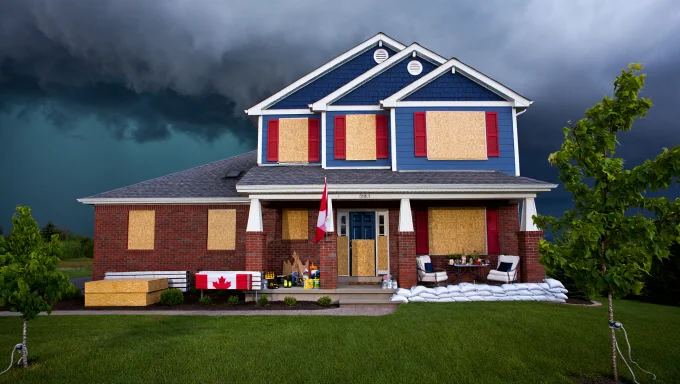
Think hurricanes are just an American problem? Tell that to the 600,000+ Atlantic Canadians who lost power during Hurricane Juan in 2003, or the Maritime homeowners who watched Dorian tear through in 2019 with winds exceeding 150 km/h. From Hurricane Hazel’s devastation in Ontario in 1954 to the annual parade of tropical storms that track up the Atlantic coast, Canadian homes from Windsor to St. John’s face hurricane and severe storm threats that many homeowners underestimate.
Environment and Climate Change Canada data shows that Atlantic Canada experiences hurricane or tropical storm conditions an average of once every two years, while severe thunderstorm systems with hurricane-force winds affect homes across the country annually. With insurance claims from severe weather events climbing 20% year-over-year, storm-proofing your home isn’t just about comfort – it’s about protecting your largest investment from increasingly volatile weather.
Whether you’re facing Atlantic hurricanes, prairie derechos, or severe thunderstorms that can pack hurricane-force winds anywhere in Canada, proper preparation can mean the difference between minor inconvenience and major disaster.
Understanding Hurricane and Severe Storm Threats in Canada
Atlantic Canada: Hurricane Alley North
The Atlantic provinces face the most consistent hurricane threat in Canada, with storms tracking northward from the Caribbean and U.S. East Coast.
Hurricane season timeline:
- June-November: Official Atlantic hurricane season
- Peak activity: August through October
- Canadian impact: Most storms arrive September-October as they track northeast
- Post-tropical transition: Storms often maintain destructive winds while losing tropical characteristics
Historical impact reference:
- Hurricane Juan (2003): 185+ km/h winds, 8 fatalities, $300+ million damage
- Hurricane Dorian (2019): 150+ km/h winds, widespread power outages lasting days
- Hurricane Arthur (2014): First hurricane to make landfall in New Brunswick since 1953
- Tropical Storm Noel (2007): Extensive flooding and wind damage across Maritimes
Storm characteristics affecting Canadian homes:
- Wind speeds: Sustained winds 90-180+ km/h, gusts to 220+ km/h
- Duration: Storm conditions lasting 6-12 hours
- Rain volumes: 100-300mm rainfall in 24-48 hours
- Storm surge: Up to 3+ meters above normal high tide in coastal areas
Central and Western Canada: Severe Thunderstorm Threats
While hurricanes rarely penetrate inland Canada, severe thunderstorms can produce hurricane-force winds across the entire country.
Derecho events:
- Prairie derechos: Long-lived windstorms with sustained hurricane-force winds
- Ontario severe weather: Great Lakes storm systems producing damaging winds
- Western severe weather: Mountain-influenced storms creating extreme conditions
Notable Canadian severe weather events:
- Southern Ontario Derecho (2022): Winds to 150+ km/h, widespread damage
- Manitoba Derecho (2007): 160+ km/h winds, extensive power outages
- Calgary Hailstorm (2020): Golf ball-sized hail causing $1.2 billion damage
- Edmonton Tornado (1987): F4 tornado demonstrating extreme weather potential
Climate Change Impacts on Storm Intensity
Environment and Climate Change Canada projections show increasing storm intensity and frequency.
Projected changes:
- Stronger storms: Higher peak wind speeds in major storm events
- More frequent severe weather: Increased frequency of damaging wind events
- Extended seasons: Hurricane season potentially lengthening
- Unusual tracks: Storms following non-traditional paths affecting unprepared areas
Implications for homeowners:
- Historical storm preparation may be insufficient for future storms
- Areas previously considered “safe” may face increased risk
- Building codes and standards may lag behind changing conditions
- Proactive preparation becomes more critical
Storm-Proofing Windows: Your Home’s Most Vulnerable Points
Window Vulnerability Assessment
Windows represent the weakest points in your home’s envelope during severe weather, failing through multiple mechanisms.
Primary window failure modes:
- Glass breakage: Impact from flying debris or pressure differentials
- Frame failure: Wind pressure overwhelming window frame strength
- Seal failure: Prolonged pressure causing weatherstrip and caulk failure
- Installation failure: Improper installation allowing complete window failure
Risk factors increasing vulnerability:
- Large window areas: Picture windows and sliding doors most vulnerable
- Single-pane glass: Significantly more vulnerable than double or triple-pane
- Old windows: Aged weatherstripping and weakened frames
- Poor installation: Inadequate anchoring or sealing
- Exposed locations: South and west-facing windows taking direct storm impact
Protective Window Solutions
Hurricane shutters and panels:
- Plywood panels: Economical option requiring advance preparation
- Metal storm shutters: Permanent installation with seasonal deployment
- Impact-resistant shutters: Roll-down or accordion styles for convenience
- Fabric storm protection: Newer technology offering easier installation
Plywood protection specifications:
- Minimum thickness: 15mm (5/8″) exterior-grade plywood
- Fastening requirements: Screws every 15cm around perimeter into solid framing
- Pre-drilling essential: Mark and pre-drill all holes during calm weather
- Storage considerations: Properly stored plywood lasts multiple seasons
Professional storm shutter systems:
- Roll-down shutters: Motorized or manual operation, strongest protection
- Accordion shutters: Fold back when not needed, quick deployment
- Colonial shutters: Decorative year-round, functional during storms
- Storm panels: Removable aluminum or steel panels for seasonal use
Window Film and Protective Measures
Security window film applications:
- Film specifications: Minimum 4-mil thickness for storm protection
- Installation requirements: Professional installation ensures proper adhesion
- Limitations: Prevents glass from shattering but doesn’t prevent breakage
- Cost-effectiveness: Much less expensive than impact-resistant windows
Impact-resistant window upgrades:
- Laminated glass: Two glass panes with protective interlayer
- Tempered glass options: Stronger glass that breaks into small pieces
- Frame reinforcement: Stronger frames to handle impact-resistant glass weight
- Installation considerations: Professional installation required for warranty coverage
Temporary protective measures:
- Masking tape patterns: Minimal effectiveness, creates dangerous shards
- Plastic sheeting: Post-storm temporary repairs only
- Emergency boarding: Post-impact protection while awaiting repairs
Door Protection and Reinforcement Strategies
Entry Door Vulnerabilities
Doors face unique challenges during severe weather, serving as both barriers and potential failure points.
Common door failure modes:
- Wind pressure failure: Inadequate strength to resist sustained high winds
- Hardware failure: Hinges, locks, and handles failing under pressure
- Frame failure: Door frames pulling away from house structure
- Seal failure: Weatherstripping allowing water infiltration
Door strength assessment:
- Solid core doors: Better wind resistance than hollow core
- Steel doors: Excellent strength when properly installed
- Fiberglass doors: Good strength with superior weather resistance
- Wood doors: Strength varies significantly with construction quality
Door Reinforcement Techniques
Hardware upgrades:
- Heavy-duty hinges: Minimum three hinges with longer screws into framing
- Deadbolt reinforcement: Strike plates secured with 75mm (3″) screws
- Door frame reinforcement: Metal reinforcement plates for strike areas
- Multi-point locking: Systems engaging door at multiple points
Storm door installation:
- Wind-rated storm doors: Doors tested to specific wind speeds
- Proper anchoring: Storm door frames must be securely fastened
- Removable panels: Glass panels that can be replaced with solid panels
- Hydraulic closers: Prevent doors from slamming in high winds
Garage door considerations:
- Reinforcement kits: Horizontal and vertical bracing systems
- Wind-rated doors: Doors tested and certified for high wind speeds
- Automatic opener disconnect: Prevent motor damage during power outages
- Manual operation preparation: Ensure family knows manual operation procedures
Sliding Door and Large Opening Protection
Sliding patio door vulnerabilities:
- Large glass areas: Significant impact vulnerability
- Track systems: Can fail under extreme pressure
- Locking mechanisms: Often inadequate for storm conditions
Protection strategies:
- Impact film application: Professional installation of protective film
- Removable panels: Plywood or metal panels covering entire door area
- Track reinforcement: Additional support for existing track systems
- Secondary locking: Additional locks or bars preventing door movement
Exterior Element Storm-Proofing
Siding and Exterior Wall Protection
Siding vulnerability factors:
- Installation quality: Properly installed siding resists wind uplift better
- Material type: Some materials more wind-resistant than others
- Age and condition: Aged siding more vulnerable to wind damage
- Exposure level: South and west-facing walls take more punishment
Preventive maintenance:
- Loose panel identification: Secure any loose or damaged siding panels
- Caulk and seal inspection: Ensure all penetrations properly sealed
- Trim security check: Verify trim pieces securely fastened
- Gutter and downspout security: Prevent detachment during high winds
Temporary protection measures:
- Loose object removal: Store or secure all exterior decorations and furniture
- Tree and shrub trimming: Remove dead branches and weak growth
- Drainage preparation: Ensure gutters and drains clear of debris
- Emergency repair materials: Have tarps and fasteners ready for post-storm repairs
Roofing and Upper Structure Preparation
Roof system inspection priorities:
- Shingle condition: Replace loose, cracked, or missing shingles
- Flashing integrity: Ensure all roof penetrations properly sealed
- Gutter attachment: Verify gutters securely fastened to fascia boards
- Soffit and fascia condition: Repair any loose or damaged areas
Professional roof assessment:
- Structural evaluation: Ensure roof structure adequate for wind loads
- Fastener inspection: Verify adequate fastening of roof covering
- Ventilation security: Ensure roof vents won’t be torn off by high winds
- Chimney and antenna security: Check all roof-mounted structures
Emergency roof protection:
- Tarp systems: Heavy-duty tarps with proper fastening systems
- Temporary repairs: Materials for quick fixes to prevent water infiltration
- Safety considerations: Never attempt roof work during or immediately after storms
- Professional contact information: Have roofing contractor information readily available
Outdoor Structure and Landscaping Preparation
Structure security assessment:
- Deck and porch attachment: Verify secure connection to main structure
- Shed and outbuilding anchoring: Ensure adequate foundation and anchoring
- Fence integrity: Repair loose posts and panels
- Play equipment security: Secure or relocate swing sets and trampolines
Landscaping storm preparation:
- Tree health assessment: Remove dead, diseased, or weakly attached branches
- Professional tree services: Consider removing trees posing threats to structures
- Garden preparation: Harvest vegetables, secure plant supports
- Drainage improvement: Ensure yard drainage directs water away from foundation
Essential Pre-Storm Maintenance Checklist
30 Days Before Hurricane Season
Major system preparation:
- Professional roof inspection: Complete assessment of roof condition
- Window and door inventory: Assess all openings for storm readiness
- Siding and exterior inspection: Identify and repair any loose or damaged areas
- Tree service consultation: Professional assessment of trees threatening structures
- Insurance review: Verify coverage adequate for storm damage scenarios
Supply procurement:
- Plywood cutting and labeling: Pre-cut and mark panels for all windows
- Hardware inventory: Screws, nails, tarps, rope, and basic repair materials
- Generator preparation: Service and test backup power systems
- Emergency supplies: Food, water, medications, flashlights, batteries
- Important document preparation: Copies stored in waterproof container
7 Days Before Storm Arrival
Final preparation activities:
- Weather monitoring: Track storm progress and intensity forecasts
- Evacuation planning: Finalize evacuation routes and destinations if required
- Vehicle preparation: Full fuel tanks, emergency supplies in vehicles
- Communication planning: Ensure family contact plans established
- Final supply check: Verify all emergency supplies readily accessible
Property security:
- Outdoor furniture storage: Secure or store all patio furniture and decorations
- Loose object survey: Remove anything that could become projectiles
- Pool preparation: Lower water levels, remove equipment if applicable
- Boat and trailer security: Secure or relocate marine equipment
- Final landscaping: Complete any remaining tree trimming or securing
24 Hours Before Storm Arrival
Final storm preparation:
- Window protection installation: Install all shutters, panels, or storm windows
- Door reinforcement completion: Final door and entry security measures
- Utility preparation: Know locations of shutoffs, test generators
- Interior preparation: Move valuables away from windows, prepare safe room
- Final weather check: Confirm storm timing and intensity predictions
Communication and documentation:
- Property documentation: Photograph property condition for insurance
- Contact confirmations: Final check with family members and neighbors
- Emergency information: Post emergency numbers and evacuation routes
- Battery charging: Ensure all devices fully charged before power loss
- Final supply verification: Confirm adequate food, water, medication
Regional Storm Preparation Strategies
Atlantic Canada Hurricane Preparation
Unique Maritime considerations:
- Storm surge planning: Coastal properties require evacuation planning for surge events
- Salt air preparation: Rinse exterior surfaces after storms to prevent corrosion
- Extended power outages: Prepare for outages lasting days or weeks
- Island considerations: PEI and Newfoundland have limited evacuation options
Regional resource utilization:
- EMO coordination: Work with provincial Emergency Management Organizations
- Mutual aid networks: Coordinate with neighbors for preparation and recovery
- Marine weather services: Utilize specialized marine weather forecasting
- Regional building standards: Follow enhanced wind load requirements for coastal areas
Central Canada Severe Weather Preparation
Derecho and severe thunderstorm preparation:
- Rapid onset planning: Severe weather can develop quickly with little warning
- Straight-line wind focus: Preparation for sustained high winds rather than rotating storms
- Urban heat island effects: Cities may experience more intense storms
- Great Lakes influences: Lake effect can intensify storm systems
Ontario and Quebec specific considerations:
- High population density: Coordinate preparation with urban emergency services
- Heritage structure protection: Older buildings may require specialized preparation
- Bilingual communication: Ensure emergency information available in both official languages
- Cross-border coordination: Storms often affect both sides of US-Canada border
Western Canada Extreme Weather Preparation
Mountain and prairie storm considerations:
- Chinook wind effects: Rapid temperature and wind changes affecting structures
- Hailstorm preparation: Protection against large hail common in prairie regions
- Wildfire coordination: Severe weather may complicate wildfire evacuation plans
- Remote area considerations: Limited emergency services in rural and remote areas
Regional building adaptations:
- Seismic considerations: BC homes must consider earthquake as well as wind damage
- Snow load interactions: Heavy snow plus high winds create unique structural loads
- Extreme cold preparation: Post-storm repairs complicated by winter conditions
- Limited growing season: Storm damage repair window may be restricted
Emergency Response and Recovery Planning
During-Storm Safety Protocols
Safe room identification:
- Interior room selection: Choose interior room on lowest floor away from windows
- Structural considerations: Avoid rooms with large roof spans (garages, large living rooms)
- Supply staging: Pre-position emergency supplies in safe room
- Communication equipment: Battery/hand-crank radio for weather updates
Storm monitoring and decision making:
- Weather radio monitoring: Continuous weather updates and warnings
- Evacuation timing: Leave early if evacuation recommended – don’t wait
- Utility safety: Know how to shut off gas, water, and electricity safely
- Post-storm waiting: Wait for official all-clear before going outside
Post-Storm Assessment and Recovery
Immediate post-storm priorities:
- Personal safety assessment: Check family members for injuries
- Structural safety evaluation: Look for obvious structural damage
- Utility safety check: Check for gas leaks, electrical hazards, water damage
- Communication establishment: Contact emergency services if needed
- Damage documentation: Photograph damage for insurance claims
Property assessment systematic approach:
- Exterior inspection: Walk around property looking for obvious damage
- Roof and upper structure: Look for missing shingles, damaged gutters
- Windows and doors: Check for broken glass, damaged frames
- Utilities: Verify electrical, plumbing, heating systems operating safely
- Interior inspection: Look for water infiltration, structural cracks
Insurance and recovery coordination:
- Immediate contact: Contact insurance company as soon as safely possible
- Documentation requirements: Detailed photos and written damage descriptions
- Temporary repairs: Make necessary temporary repairs to prevent further damage
- Contractor coordination: Get multiple estimates for major repairs
- Code compliance: Ensure repairs meet current building codes
Building Hurricane Resilience Into Your Home
Understanding hurricane and severe storm preparation isn’t just about surviving the next big storm – it’s about building long-term resilience into your home and family preparedness systems. Every storm season provides opportunities to improve your preparation, learn from experience, and build the knowledge and systems that keep your family and property safe.
Start with the basics: identify your vulnerabilities, create comprehensive preparation checklists, and practice your storm response procedures during calm weather. As you gain experience and confidence, you can invest in more sophisticated protection systems and develop the expertise that comes from understanding your specific home and local weather patterns.
Remember that storm preparation is an ongoing process, not a one-time event. Weather patterns are changing, your home ages and requires different preparation strategies, and your family situation evolves over time. Regular assessment and updating of your storm preparation ensures you’re ready for whatever nature brings your way.
The most important investment you can make in storm preparation is developing the mindset that treats severe weather as a manageable challenge rather than an insurmountable disaster. With proper preparation, quality materials, and practiced response procedures, Canadian homes can weather the most severe storms while keeping families safe and minimizing property damage.
Ready to hurricane-proof your home? Start by assessing your current vulnerabilities and creating a comprehensive preparation plan tailored to your specific location and storm risks. Whether you’re facing Atlantic hurricanes or prairie derechos, the principles of good preparation remain consistent: identify weaknesses, implement solutions, practice procedures, and maintain systems over time.
Your home and family deserve protection from whatever storms the future brings. The time to prepare is now, while the weather is calm and materials are available. Don’t wait for the next storm warning to start your preparation – by then, it may be too late.