The Complete Guide to Home Exterior Maintenance
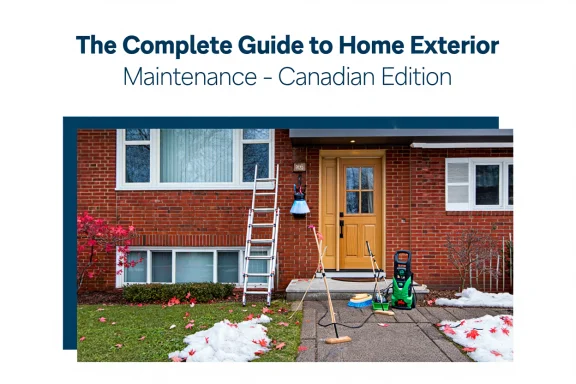
Your home’s exterior takes more punishment than a hockey puck in overtime. From Winnipeg’s bone-chilling -40°C winters to Halifax’s hurricane-force Atlantic storms, Canadian homes face some of the world’s most challenging weather conditions year-round.
The good news? A solid maintenance routine can help your siding, windows, and doors not just survive but thrive through decades of Canadian weather extremes. We’re talking about potentially doubling the lifespan of your exterior components while avoiding those wallet-crushing emergency repairs that always seem to happen at the worst possible time.
Let’s create a maintenance plan that’ll keep your home looking sharp and performing like a champion, from the Rockies to the Rock.
Why Canadian Homes Need Special Maintenance Attention
The Unique Challenges of Our Climate
Canadian homes face a perfect storm of conditions that accelerate wear and tear:
Temperature extremes:
- Freeze-thaw cycles that can happen 50+ times per winter in some regions
- Temperature swings of 60°C between summer highs and winter lows
- Thermal expansion and contraction stressing materials constantly
Moisture challenges:
- Heavy snowfall requiring removal and management
- Spring melt creating flooding and moisture infiltration risks
- High humidity in coastal regions promoting mold and rot
Weather events:
- Ice storms coating everything in destructive ice
- High winds from prairie storms to coastal hurricanes
- Hail storms that can destroy siding, windows, and roofing
The Cost of Neglect
Statistics Canada data shows that deferred maintenance costs Canadian homeowners an average of $3,200 annually in emergency repairs. Regular maintenance can reduce this by 60-70%, while extending material lifespans significantly:
- Vinyl siding: 20 years without maintenance, 35+ years with proper care
- Wood siding: 10-15 years without maintenance, 25-30 years with care
- Windows: 15-20 years without maintenance, 25-35 years with care
- Doors: 15-25 years without maintenance, 30-50 years with care
Your Year-Round Canadian Exterior Maintenance Calendar
Spring (March – May): The Recovery Season
Spring is inspection and repair season – time to assess winter damage and prepare for the active months ahead.
March Tasks:
- Snow removal: Clear remaining snow from around foundation
- Ice dam assessment: Check for winter ice damage to gutters and siding
- Drainage inspection: Ensure water flows away from foundation
- Storm damage survey: Document any obvious winter damage for insurance
April Tasks:
- Deep cleaning preparation: Gather supplies and plan cleaning sequence
- Caulking inspection: Check all exterior caulk lines for winter damage
- Window operation test: Open and close all windows, checking for binding
- Door alignment check: Ensure doors close properly after winter settling
May Tasks:
- Power washing: Clean siding, decks, and walkways (wait for consistently warm weather)
- Window cleaning: Inside and outside cleaning for maximum light transmission
- Gutter cleaning: Remove winter debris and check for damage
- Landscaping adjustment: Trim vegetation away from siding and windows
Summer (June – August): The Active Maintenance Season
Summer’s warm, dry weather provides ideal conditions for most maintenance tasks.
June Tasks:
- Exterior painting prep: Sand, scrape, and prime any damaged wood surfaces
- Screen installation: Install window and door screens for bug season
- Deck and patio maintenance: Clean, repair, and seal wood surfaces
- Hardware lubrication: Oil hinges, locks, and moving parts
July Tasks:
- Peak painting season: Complete exterior painting projects during optimal weather
- Siding repair: Replace damaged vinyl or wood siding pieces
- Weatherstripping replacement: Update worn door and window seals
- Ventilation cleaning: Clean soffit vents and exhaust fan covers
August Tasks:
- Window maintenance: Re-caulk windows and check glazing compound
- Door refinishing: Sand and refinish wood doors before fall weather
- Final major repairs: Complete structural repairs before autumn
- Fall preparation planning: Order materials for autumn maintenance tasks
Fall (September – November): The Preparation Season
Fall maintenance focuses on weatherproofing and preparing for winter’s assault.
September Tasks:
- Gutter maintenance: Clean gutters and downspouts, check for proper flow
- Caulking refresh: Re-caulk all exterior joints and penetrations
- Storm window installation: Install storm windows in regions that use them
- Heating system preparation: Ensure exterior vents and intakes are clear
October Tasks:
- Final exterior cleaning: Last wash before winter weather arrives
- Leaf management: Keep leaves cleared from gutters and drainage areas
- Weather sealing: Apply exterior wood sealers and protectants
- Emergency supply check: Stock up on ice melt, snow removal tools
November Tasks:
- Winterization completion: Final winter preparations
- Exterior water shut-offs: Turn off and drain exterior water lines
- Storm door installation: Install storm doors for extra protection
- Final inspection: Complete walk-around to identify any missed issues
Winter (December – February): The Monitoring Season
Winter maintenance focuses on snow management and monitoring for problems.
December Tasks:
- Snow removal planning: Establish snow removal routines and safe storage areas
- Ice dam prevention: Install heating cables if needed in problem areas
- Monthly inspection: Check for ice buildup, moisture issues, drafts
- Emergency repair supplies: Keep basic repair materials accessible
January Tasks:
- Mid-winter assessment: Look for signs of ice damage or moisture infiltration
- Ventilation monitoring: Ensure proper ventilation despite closed windows
- Snow load management: Remove excessive snow from low-slope areas
- Heating efficiency check: Monitor for air leaks affecting heating costs
February Tasks:
- Late winter inspection: Assess cumulative winter damage
- Spring planning: Plan spring repairs and order necessary materials
- Ice dam management: Address any ice dam formation immediately
- Condensation monitoring: Watch for excessive interior condensation indicating problems
Siding Maintenance: Protecting Your Home’s First Line of Defense
Vinyl Siding Care
Vinyl siding is popular in Canada for good reason – it’s durable and low-maintenance when properly cared for.
Annual cleaning routine:
- Pre-rinse: Remove loose dirt and debris with garden hose
- Cleaning solution: Mix mild detergent with water (avoid abrasive cleaners)
- Bottom-up washing: Work from bottom to top to prevent streaking
- Soft brush scrubbing: Use soft-bristled brush for stubborn stains
- Thorough rinse: Remove all cleaning solution residue
Common vinyl siding issues:
- Cracking: Replace cracked pieces immediately to prevent water infiltration
- Fading: Consider vinyl paint specifically designed for siding
- Warping: Usually indicates installation problems or excessive heat exposure
- Mold/mildew: Clean with diluted bleach solution (1:10 ratio)
Professional tip: Never power wash vinyl siding with pressure exceeding 1,500 PSI, and always spray downward to prevent water infiltration behind panels.
Wood Siding Maintenance
Wood siding requires more attention but can last decades with proper care.
Inspection priorities:
- Paint/stain condition: Look for peeling, cracking, or fading
- Wood condition: Check for rot, splitting, or insect damage
- Caulk integrity: Ensure joints remain sealed against moisture
- Hardware condition: Inspect nails, screws, and trim pieces
Maintenance schedule:
- Annual: Wash, inspect, and touch up minor paint issues
- Every 3-5 years: Complete repainting or re-staining
- Every 10-15 years: Major restoration including scraping and priming
- As needed: Replace damaged boards immediately
Moisture management: Wood siding’s biggest enemy is moisture. Ensure:
- Proper ventilation behind siding
- Adequate drainage away from foundation
- Prompt repair of any breaches in paint or caulk
- Regular cleaning to prevent mold and mildew growth
Fiber Cement and Composite Siding
These materials combine durability with lower maintenance requirements.
Cleaning and inspection:
- Annual pressure washing (up to 3,000 PSI safe for most products)
- Check for impact damage from hail or debris
- Inspect caulk lines and trim interfaces
- Monitor for any signs of moisture infiltration
Repair considerations:
- Specialized tools often required for repairs
- Color matching can be challenging for older installations
- Professional installation recommended for replacements
- Follow manufacturer specifications for fasteners and installation
Window Maintenance: Keeping Your Views Clear and Bills Low
Year-Round Window Care
Windows work hard in Canadian climates, and proper maintenance keeps them functioning efficiently.
Cleaning routine (2-3 times annually):
- Remove screens and storm windows: Clean separately with mild soap
- Vacuum frames and tracks: Remove dirt and debris buildup
- Clean glass thoroughly: Use squeegee technique for streak-free results
- Lubricate moving parts: Apply silicone spray to hinges and locks
- Check weatherstripping: Replace worn or damaged seals
Seasonal considerations:
- Spring: Remove condensation stains, check for winter damage
- Summer: Clean screens, lubricate hardware, check operation
- Fall: Install storm windows, caulk any gaps, weatherize
- Winter: Monitor for ice buildup, manage condensation
Common Window Problems and Solutions
Condensation issues:
- Between glass panes: Indicates failed seal, replacement required
- Interior condensation: May indicate inadequate ventilation or humidity control
- Exterior condensation: Usually normal, indicates good window insulation
Operational problems:
- Sticking windows: Clean tracks, lubricate moving parts, check for warping
- Draft around windows: Replace weatherstripping, re-caulk perimeter
- Hardware failure: Replace worn handles, locks, or hinges promptly
Frame maintenance by material:
- Vinyl: Clean regularly, check for cracking, ensure drainage holes remain clear
- Wood: Paint/stain as needed, check for rot, maintain caulk seal
- Aluminum: Clean oxidation, check thermal breaks, lubricate moving parts
- Fiberglass: Minimal maintenance, clean annually, inspect for impact damage
Professional Window Maintenance
Some tasks require professional attention:
Annual professional inspection should include:
- Seal integrity testing
- Hardware adjustment and replacement
- Frame alignment verification
- Energy performance assessment
When to call professionals:
- Persistent condensation between panes
- Windows that won’t stay open or closed
- Visible frame deterioration
- Significant air leakage around frames
Door Maintenance: Your Home’s Hardest Working Components
Exterior Door Care Essentials
Doors face constant use plus weather exposure, requiring regular attention.
Monthly maintenance:
- Clean door surface: Use appropriate cleaner for door material
- Test door operation: Check for binding, sticking, or alignment issues
- Inspect weatherstripping: Look for wear, gaps, or damage
- Check door sweep: Ensure proper seal at threshold
Seasonal maintenance:
- Spring: Deep clean, adjust hinges, replace worn weatherstripping
- Summer: Oil hinges, check door alignment after settling
- Fall: Install storm door, check insulation around frame
- Winter: Monitor for ice buildup, keep threshold clear
Door Material Specific Care
Steel doors:
- Rust prevention: Touch up scratches immediately with primer and paint
- Insulation maintenance: Check foam core integrity, replace if damaged
- Hardware care: Keep hinges and locks lubricated, check for loosening
- Magnetic weatherstrip: Clean contact surfaces regularly
Wood doors:
- Finish maintenance: Re-stain or paint every 2-4 years depending on exposure
- Moisture management: Seal all six sides (including top and bottom edges)
- Hardware maintenance: Tighten loose hinges, replace worn weatherstripping
- Seasonal adjustment: Account for expansion and contraction
Fiberglass doors:
- Cleaning: Use mild detergent, avoid abrasive cleaners
- Finish care: Touch up scratches, refinish every 5-8 years
- Minimal maintenance: Check hardware and weatherstripping annually
- Impact resistance: Inspect for damage from impacts or extreme weather
Storm Door Maintenance
Storm doors add protection but require their own maintenance routine.
Key maintenance tasks:
- Screen/glass interchange: Store off-season panels properly
- Track cleaning: Keep door tracks clean and lubricated
- Closer adjustment: Adjust pneumatic closers seasonally for temperature
- Hardware inspection: Check hinges, handles, and locks regularly
Preventive Maintenance Techniques That Save Money
The Power of Early Detection
Regular inspection prevents small problems from becoming expensive disasters.
Create an inspection routine:
- Monthly: Quick walk-around looking for obvious problems
- Seasonally: Detailed inspection with photos for comparison
- Annually: Professional assessment of key systems
- After storms: Immediate damage assessment for insurance purposes
Documentation system:
- Keep maintenance logs with dates and actions taken
- Photograph problem areas for tracking changes over time
- Maintain receipts for materials and professional services
- Create digital files accessible from anywhere
Cost-Effective Preventive Strategies
High-impact, low-cost actions:
- Caulking maintenance: $20 in caulk can prevent thousands in water damage
- Gutter cleaning: $50 task prevents foundation and siding damage
- Weatherstripping replacement: $30 investment saves hundreds on heating bills
- Regular cleaning: Prevents permanent staining and material degradation
Medium investment, major protection:
- Storm doors and windows: Extend primary component lifespan significantly
- Professional annual inspection: $200-400 prevents major surprises
- Quality maintenance materials: Better caulks and sealers last longer
- Proper tools: Good brushes, sprayers, and ladders make maintenance easier and safer
Regional Maintenance Adaptations
Prairie provinces:
- Wind damage prevention: Secure loose materials, inspect regularly after storms
- Extreme cold preparation: Use cold-weather caulks and sealers
- Dust management: More frequent cleaning due to prairie dust
Coastal regions:
- Salt air protection: Rinse regularly with fresh water, use marine-grade materials
- Hurricane preparation: Seasonal storm readiness, impact-resistant upgrades
- Moisture management: Enhanced ventilation, mold prevention strategies
Northern territories:
- Extreme weather preparation: Heavy-duty materials, professional installation
- Limited maintenance windows: Concentrate work in brief summer season
- Supply chain planning: Order materials well in advance of need
Tools and Supplies for Effective Maintenance
Essential Tool Kit
Basic maintenance tools:
- Power washer: 1,500-2,500 PSI for most Canadian applications
- Extension ladder: Proper height for safe access to all areas
- Caulking guns: Both standard and bulk-loading types
- Brushes and scrapers: Various sizes for different applications
- Safety equipment: Non-slip footwear, safety glasses, work gloves
Specialized tools:
- Moisture meter: Identifies hidden moisture problems early
- Digital camera: Document conditions over time
- Level and square: Check door and window alignment
- Vacuum: Clean tracks, vents, and hard-to-reach areas
Quality Materials Make a Difference
Invest in premium materials:
- Caulk: Use 30+ year rated products for major applications
- Paint: High-quality paint lasts longer and looks better
- Weatherstripping: Choose materials rated for your climate zone
- Cleaning supplies: Quality tools clean better and last longer
Seasonal supply planning:
- Spring: Cleaning supplies, caulk, replacement parts
- Summer: Paint, stain, repair materials
- Fall: Weatherproofing materials, storm preparation supplies
- Winter: Emergency repair materials, ice management supplies
Building a Maintenance Mindset
Making Maintenance Manageable
Break tasks into manageable chunks:
- Daily: Quick visual checks during regular activities
- Weekly: One small task (clean windows, check doors)
- Monthly: Focused inspection and minor maintenance
- Seasonally: Major cleaning and preparation tasks
Family involvement:
- Assign age-appropriate tasks to family members
- Create maintenance team spirit
- Teach children the value of home care
- Share the satisfaction of a well-maintained home
When to Call Professionals
DIY-friendly tasks:
- Basic cleaning and inspection
- Simple caulking and weatherstripping replacement
- Minor paint touch-ups and repairs
- Hardware lubrication and adjustment
Professional territory:
- Structural repairs: Anything affecting home stability
- Major painting projects: Multi-story homes, complex surfaces
- Window and door replacement: Proper installation critical
- Problem diagnosis: When you can’t identify the issue
Your Path to Maintenance Mastery
Effective exterior maintenance isn’t about perfection – it’s about consistency and early intervention. A well-maintained Canadian home not only looks better and costs less to operate but also provides better protection for your family and preserves your investment.
Start with the basics: establish regular inspection routines, keep essential supplies on hand, and address small problems before they become big ones. As you gain experience and confidence, you can tackle more complex tasks and develop the expertise that comes from understanding your specific home and climate.
Remember, every Canadian home is unique, with its own combination of materials, age, exposure, and challenges. Pay attention to what your home tells you through its condition and performance. Develop a relationship with reliable contractors for tasks beyond your skill level, and don’t hesitate to invest in professional advice when facing unfamiliar problems.
Your home has protected you through countless Canadian winters, summer storms, and everything in between. Return the favor with consistent, thoughtful maintenance that keeps it strong, beautiful, and ready for whatever Mother Nature throws its way.
Ready to become your home’s best friend? Start with next season’s maintenance tasks, armed with the knowledge to keep your exterior looking and performing like the day it was installed. Your future self (and your bank account) will thank you every time you drive up to your well-maintained, beautiful home.