Building an Effective Homepage for Personal Trainers
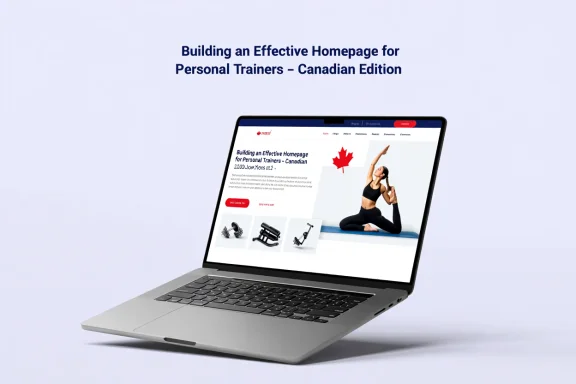
Starting a personal training business in Canada is one thing – but getting potential clients to actually book sessions through your website? That’s where most fitness pros drop the ball faster than a fumbled Grey Cup pass. Your homepage isn’t just a digital business card; it’s your 24/7 sales rep working across all time zones from St. John’s to Victoria.
With over 38 million Canadians increasingly focused on health and wellness post-pandemic, and Statistics Canada showing a 23% increase in home fitness spending, your online presence can make or break your training business. Let’s build you a homepage that converts visitors into paying clients.
The Foundation: What Every Canadian Personal Trainer Homepage Needs
Clear Value Proposition Above the Fold
Your visitors should understand what you offer within 5 seconds – faster than it takes to lace up running shoes. Place your main headline, a brief description of your services, and a compelling call-to-action where visitors can see it immediately without scrolling.
Example headline structure:
- “Get Fit Fast with Personalized Training in [Your City]”
- “Transform Your Body with Expert Personal Training”
- “Achieve Your Fitness Goals with Professional Guidance”
Professional Photography That Builds Trust
Ditch the grainy gym selfies and invest in professional photos. Show yourself training real clients (with permission), demonstrating exercises, and looking approachable yet authoritative. Include shots of your training space, whether it’s a home gym in Mississauga or outdoor sessions in Stanley Park.
Essential photo types:
- Professional headshot (builds trust and credibility)
- Action shots of you training clients
- Before/after client transformations (with permission)
- Your training environment or equipment
Content Strategy That Converts Canadian Clients
Highlight Your Credentials and Certifications
Canadian clients want to know you’re legit. Display your certifications prominently – whether that’s from ACSM, NASM, CanFitPro, or provincial fitness associations. If you’re bilingual (crucial in markets like Ottawa or Montreal), mention it upfront.
Location-Specific Content
Be crystal clear about where you operate. Whether you’re serving downtown Toronto condos, suburban Calgary communities, or offering virtual sessions across the Maritimes, make your service area obvious. Include neighbourhood names, postal codes, or regional references that locals will recognize.
Social Proof That Actually Works
Canadian consumers are naturally cautious (it’s in our DNA, sorry not sorry). Combat this with:
- Client testimonials with real names and photos
- Google Reviews integration
- Before/after success stories
- Local partnerships or gym affiliations
- Media mentions or certifications
Pro tip: Include testimonials that mention specific Canadian challenges like “helped me stay active through brutal Winnipeg winters” or “kept me motivated during lockdowns.”
Technical Elements for Better User Experience
Mobile-First Design
Over 60% of Canadian web traffic comes from mobile devices. Your homepage must look and function perfectly on smartphones. This means:
- Fast loading times (under 3 seconds)
- Easy-to-tap buttons and links
- Readable text without zooming
- Simple navigation menu
Contact Information Accessibility
Make it stupid-simple for potential clients to reach you:
- Phone number clickable for mobile users
- Contact form above the fold
- Email address clearly visible
- Social media links (Instagram is huge for fitness pros)
- Online booking system integration if available
Local SEO Optimization
Help Canadians in your area find you by including:
- City and province in your page title
- Local keywords throughout your content
- Google My Business integration
- Address and service areas clearly stated
Service Packages That Make Sense
Clear Pricing Structure
While you don’t need to list exact prices, give potential clients a framework. Consider creating packages like:
- Starter Package: Perfect for fitness newcomers
- Performance Package: For goal-oriented clients
- Transformation Package: Comprehensive lifestyle change program
Virtual and In-Person Options
Post-pandemic Canadian clients expect flexibility. Clearly outline whether you offer:
- In-home personal training
- Gym-based sessions
- Virtual training sessions
- Outdoor training (weather permitting – this is Canada, after all)
- Hybrid packages combining multiple formats
Call-to-Action Strategy
Primary CTA: Book a Consultation
Your main call-to-action should be scheduling a free consultation or assessment. Use action words like:
- “Book Your Free Consultation”
- “Start Your Transformation Today”
- “Schedule Your Assessment”
- “Get Started Now”
Secondary CTAs for Different Readiness Levels
Not everyone’s ready to book immediately. Offer alternatives:
- “Download Free Workout Guide”
- “Join Our Fitness Newsletter”
- “Follow Us on Instagram”
- “Read Client Success Stories”
Content Sections That Build Authority
About Section That Connects
Share your fitness journey, why you became a trainer, and what makes you different. Canadian clients appreciate authenticity – mention your hockey background, love of hiking the Rockies, or how you understand the challenge of staying active during six-month winters.
Services Overview
Break down your offerings clearly:
- Personal Training: One-on-one focused sessions
- Small Group Training: 2-4 people for cost-effective fitness
- Nutrition Coaching: Meal planning and dietary guidance
- Specialized Programs: Sport-specific training, injury recovery, senior fitness
FAQ Section
Address common concerns Canadian clients have:
- Insurance coverage and payment options
- Cancellation policies
- What to expect in first session
- Equipment needs for home training
- Seasonal training adjustments
Regional Considerations Across Canada
Urban vs. Rural Messaging
A trainer in downtown Vancouver targets different clients than one serving rural Saskatchewan. Adjust your messaging accordingly – urban clients often want convenience and efficiency, while rural clients may value personal relationships and community connections.
Seasonal Adaptability
Acknowledge Canada’s seasonal reality. Mention how you adapt training for:
- Winter indoor alternatives
- Summer outdoor opportunities
- Holiday schedule flexibility
- Back-to-school fitness goals
Bilingual Considerations
If you serve Quebec or bilingual communities, ensure your homepage accommodates both official languages or clearly states your language capabilities.
Performance Tracking and Optimization
Analytics Setup
Install Google Analytics and monitor:
- Homepage bounce rate
- Time spent on page
- Contact form submissions
- Phone call clicks
- Most popular content sections
A/B Testing Opportunities
Test different versions of:
- Headlines and value propositions
- Call-to-action button colors and text
- Photo selections
- Contact form length
- Testimonial placement
Ready to Build Your Converting Homepage?
Your personal trainer homepage is your digital handshake with potential clients across Canada. It needs to build trust, communicate value, and make booking sessions easier than ordering a double-double through the Tim Hortons app.
Focus on clear messaging, professional presentation, and making it incredibly easy for visitors to take the next step. Remember – Canadians appreciate straightforward communication without the hard sell.
Start by auditing your current homepage against this checklist, then implement changes systematically. Your future clients are out there searching for exactly what you offer – make sure they can find you and understand why you’re the right trainer for their fitness journey.
Ready to transform your online presence and grow your personal training business? Start with these homepage essentials and watch your client inquiries multiply faster than Tim Hortons locations across the country.