Sustainable Building Materials for Eco-Conscious Homeowners
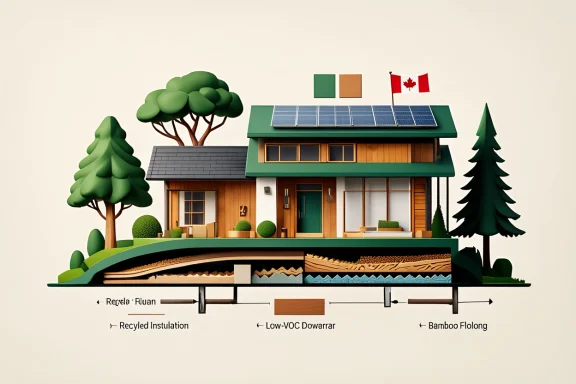
When you’re planning your next renovation project, choosing sustainable building materials isn’t just good for Mother Earth – it’s smart for your wallet and your family’s health too. With Canada’s commitment to net-zero emissions by 2050 and rising energy costs from coast to coast, eco-conscious homeowners are leading the charge toward greener construction practices.
From the rain-soaked shores of BC to the harsh winters of Nunavut, Canadian homes face unique environmental challenges that make material selection crucial. Let’s explore how you can make renovation choices that’ll keep your home comfortable, your conscience clear, and your energy bills manageable.
Why Sustainable Materials Matter More Than Ever in Canada
The construction industry accounts for nearly 40% of global carbon emissions, and with Canada’s ambitious climate goals, every renovation decision counts. Sustainable building materials reduce environmental impact through lower manufacturing emissions, improved energy efficiency, and longer lifespans that minimize replacement needs.
For Canadian homeowners, this means materials that can handle our extreme weather while reducing your carbon footprint. Think of it as investing in your home’s future while doing right by future generations.
Sustainable Siding Options: Built for Canadian Conditions
Fiber Cement Siding
This champion of sustainable siding combines recycled wood fibers, cement, and silica sand. It’s tough enough to handle Maritime hurricanes and Prairie hail while lasting 50+ years with minimal maintenance.
Environmental Benefits:
- Contains up to 90% recycled materials
- No toxic chemicals or formaldehyde
- Completely recyclable at end of life
- Fire and pest resistant without chemical treatments
Canadian Performance: Fiber cement excels in our climate extremes, from -40°C winters to humid summers, without warping or cracking.
Reclaimed Wood Siding
Nothing beats the character of reclaimed barn wood or salvaged timber, especially for heritage homes across Ontario and Quebec. This option gives new life to materials that would otherwise end up in landfills.
Sustainability Highlights:
- Zero new tree harvesting required
- Unique character impossible to replicate
- Often harder and more durable than new wood
- Supports circular economy principles
Engineered Wood Siding
Made from fast-growing trees and wood waste, engineered wood siding offers the look of real wood with improved sustainability credentials.
Green Features:
- Uses smaller, faster-growing trees
- Incorporates wood waste and sawdust
- More stable than traditional wood
- Often contains recycled content
Eco-Friendly Window Solutions for Energy Efficiency
Triple-Pane Windows with Low-E Coatings
In Canada’s climate, triple-pane windows aren’t luxury – they’re necessity. Modern sustainable options feature recycled aluminum frames and low-emissivity coatings that reduce heat transfer.
Energy Performance:
- R-values up to R-10 (compared to R-3 for single-pane)
- Reduce heating costs by 15-25% annually
- Minimize condensation and ice buildup
- Cut exterior noise by up to 50%
Sustainably Sourced Wood Windows
For homeowners preferring natural materials, look for windows certified by the Forest Stewardship Council (FSC). These windows use responsibly harvested wood with water-based finishes.
Certification Benefits:
- Guaranteed sustainable forest management
- No harmful chemical treatments
- Supports biodiversity protection
- Maintains carbon sequestration benefits
Fiberglass Windows
Made from recycled glass and offering exceptional durability, fiberglass windows handle Canada’s temperature swings without expanding or contracting.
Longevity Advantages:
- 30-40 year lifespan minimum
- Require minimal maintenance
- Won’t rot, warp, or deteriorate
- Fully recyclable at replacement time
Green Certification Programs Every Canadian Should Know
ENERGY STAR Canada
This federal program identifies products meeting strict energy efficiency guidelines. Look for the ENERGY STAR symbol on windows and ensure your contractor understands the requirements for rebates.
GREENGUARD Certification
Ensures indoor air quality by limiting chemical emissions from building materials. Particularly important for siding and window components in our tightly sealed Canadian homes.
Forest Stewardship Council (FSC)
The gold standard for sustainably sourced wood products. FSC certification guarantees responsible forest management and supports Indigenous communities’ forest stewardship.
Canadian Standards Association (CSA) Green Mark
This homegrown certification evaluates environmental performance throughout a product’s lifecycle, from raw materials to disposal.
Sustainable Renovation Practices That Make a Difference
Waste Reduction Strategies
- Donate usable materials to Habitat for Humanity ReStores
- Partner with contractors who prioritize recycling
- Plan projects to minimize material waste
- Choose modular systems for future flexibility
Local Material Sourcing
Selecting materials manufactured or sourced within 800 kilometres of your project reduces transportation emissions while supporting local economies. Many provinces offer incentives for using locally sourced materials.
Proper Installation for Longevity
Even the most sustainable materials won’t deliver benefits if poorly installed. Work with certified installers who understand moisture management, thermal bridging, and air sealing – crucial factors in Canada’s climate.
Financial Incentives for Green Renovations
Canadian homeowners can access numerous rebates and tax credits for sustainable upgrades:
- Canada Greener Homes Loan: Up to $40,000 interest-free for energy-efficient renovations
- Provincial utility rebates: Many provinces offer additional incentives
- Municipal programs: Cities like Vancouver and Toronto provide extra support
- Federal tax credits: Available for qualifying energy-efficient improvements
Making the Smart Choice for Your Canadian Home
Sustainable building materials represent more than environmental responsibility – they’re an investment in your home’s performance, your family’s health, and your long-term financial well-being. With Canada’s harsh weather conditions and rising energy costs, choosing materials that last longer, perform better, and reduce environmental impact just makes sense.
Whether you’re in downtown Montreal dealing with freeze-thaw cycles or coastal Nova Scotia battling salt air, sustainable materials offer proven solutions that work as hard as Canadians do.
Ready to start your green renovation journey? Research local suppliers, connect with certified contractors, and explore available rebates in your province. Your home, your wallet, and your planet will thank you.
Contact a certified sustainable renovation specialist in your area to discuss eco-friendly options that work for your specific Canadian climate zone and budget.